
Before You Travel to Mexico
Five things every smart traveler sorts before booking.
- 1
Passport valid 6+ months from entry date
Most countries refuse entry on passports expiring within six months. Renew now if you're close.
- 2
Visa requirements for Mexico
Some are visa-free, some require an e-visa filed days ahead, some need an embassy appointment.
- 3
Travel insurance booked
A hospital visit in Mexico can run $4,000-15,000 without cover. Credit card insurance usually excludes alcohol-related incidents.
- 4
eSIM data plan ready before landing
Airport SIM kiosks need your passport and overcharge tourists. Install an eSIM in 60 seconds, online before you fly.
- 5
Accommodation reserved in the right district
The wrong neighborhood means a 45-minute taxi every night. Map the venues first, then book.
City Guides in Mexico
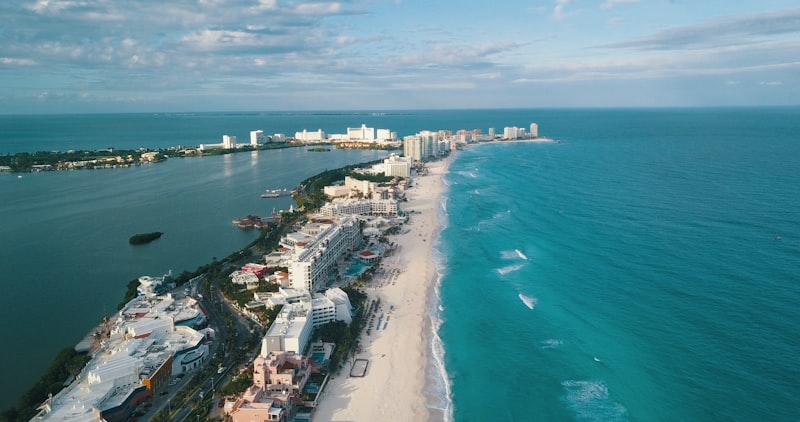
Cancun
City guide to adult nightlife in Cancun, covering key areas, safety warnings, scam awareness, and cultural context.
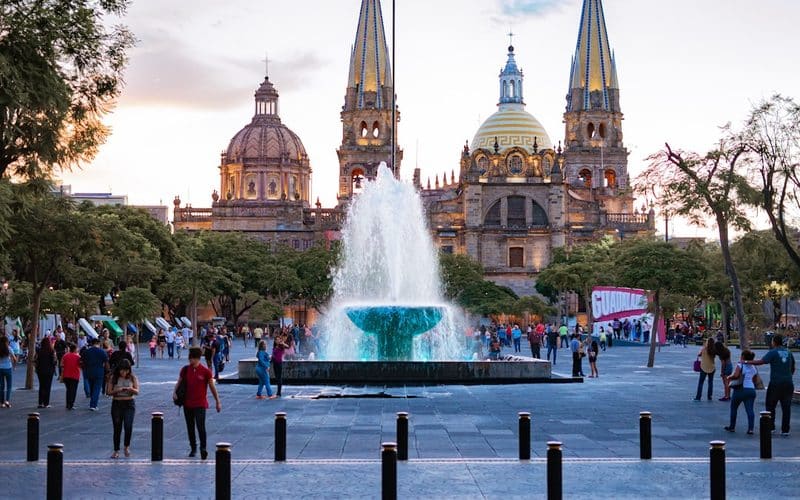
Guadalajara
City guide to adult nightlife in Guadalajara, covering Zona Chapultepec, Zapopan, legal context, safety warnings, and practical tips.
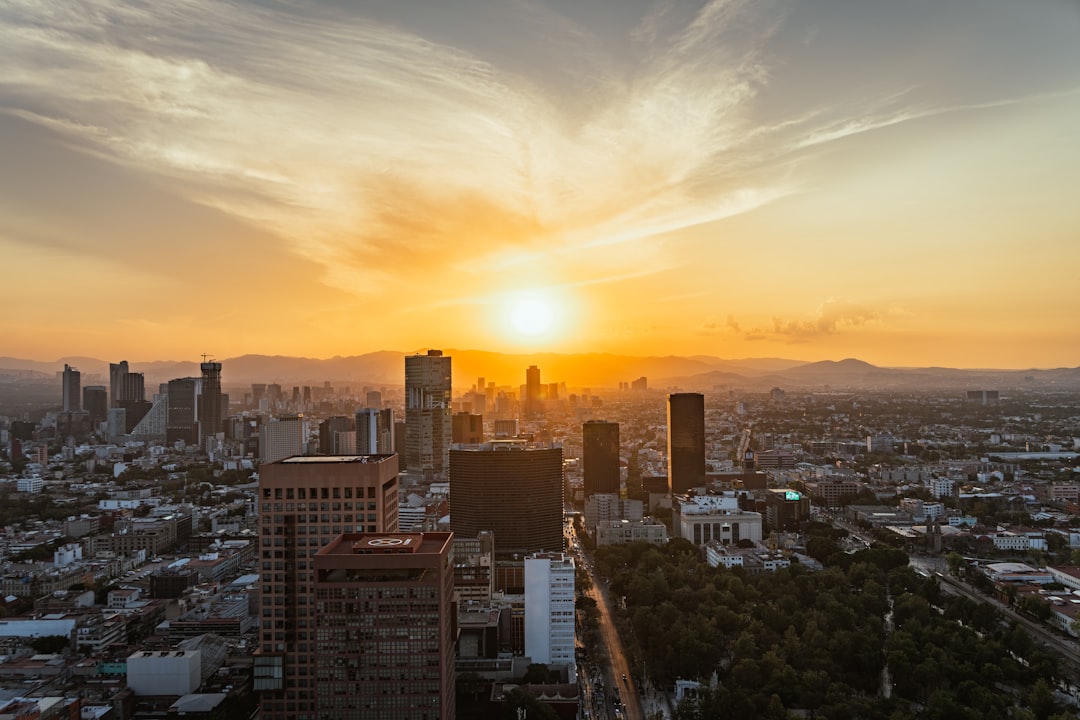
Mexico City
City guide to adult nightlife in Mexico City, covering key entertainment districts, safety tips, scam awareness, and cultural context.
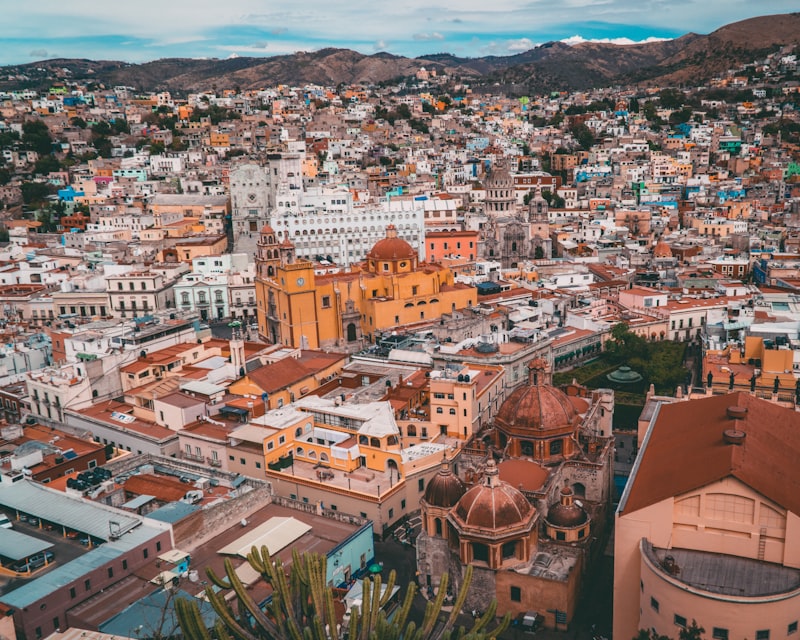
Tijuana
City guide to adult nightlife in Tijuana, covering key areas, safety warnings, scam awareness, and cultural context.
Compare hotels in Mexico
Hotels, hostels, and short-term rentals across the country's main nightlife cities.
Legal Framework
The legal status of prostitution in Mexico is complicated by the country's federal structure. The federal constitution doesn't explicitly address prostitution, leaving regulation to individual states and municipalities. This means the rules vary significantly depending on where you are.
Information verified through local contacts as of February 2026.
In broad terms, Mexico's approach falls into three categories. Some states and cities regulate prostitution through zoning and licensing, where workers can register, obtain health cards, and operate within designated tolerance zones (zonas de tolerancia). Other jurisdictions simply don't address it, creating a gray area where the activity isn't explicitly legal but isn't prosecuted. A few states have moved toward more restrictive stances, though full criminalization is rare.
Mexico City decriminalized sex work in 2019, and the city government has taken steps toward formalizing protections for workers, including health services and legal recognition. This makes it one of the more progressive jurisdictions in the country.
What is consistently illegal across all of Mexico is pimping (lenocinio), trafficking, and any sexual exploitation of minors. Mexico's anti-trafficking laws have been strengthened significantly since the passage of the General Law to Prevent, Punish, and Eradicate Crimes Related to Trafficking in Persons in 2012. Penalties for trafficking and exploitation of minors are severe, and foreign nationals are not exempt.
Enforcement Reality
Enforcement mirrors the legal patchwork. In cities with established tolerance zones, licensed workers and venues operate openly. In Tijuana's Zona Norte, for example, the industry is highly visible and operates with effective police tolerance. In other areas, enforcement depends on local politics, police priorities, and the degree of public visibility.
Police corruption is a significant factor in Mexico. Informal payments to local police are common in many parts of the country, and the adult entertainment industry is no exception. Venues that maintain good relationships with local authorities operate without interference, while those that don't may face sudden crackdowns.
For foreign visitors, the primary enforcement risk isn't arrest for patronizing an establishment; it's having an encounter with corrupt police who see an opportunity. This is more common in border cities and tourist zones where police know that foreigners would rather pay an informal fine than deal with the legal system. Knowing your rights, carrying identification, and remaining calm are your best defenses.
Mexico's legal system uses a different procedural framework than common-law countries. Pre-trial detention can last months, conditions in custody are poor, and the process is slow. Avoiding any legal entanglement is strongly advised.
Cultural Context
Mexican culture has a complicated relationship with sex and morality, shaped by deep Catholic traditions on one side and a pragmatic acceptance of reality on the other. The industry has existed openly in Mexican border towns and major cities for over a century, and it's woven into the social fabric in ways that are both visible and unspoken.
Machismo culture influences how nightlife and adult entertainment operate. Gender dynamics in Mexico are different from what most North American or European visitors are accustomed to, and understanding these dynamics helps in handling social situations. Respect matters, and behavior that's seen as disrespectful can create problems quickly.
Nightlife in Mexico starts late and runs very late. Dinner at 9 or 10 PM is standard, and clubs and bars stay open until 3, 4, or even 5 AM. Drinking culture is strong, with tequila, mezcal, and beer being the foundations. Toasting and sharing drinks are social rituals, and refusing can be seen as rude in some contexts.
The proximity of the US-Mexico border shapes much of the entertainment industry in northern Mexico. Cities like Tijuana have developed nightlife economies that cater specifically to American visitors, with English widely spoken and US dollars accepted alongside pesos.
Dating Culture
Mexico's dating scene is shaped by Catholic traditions, strong family bonds, and a concept of chivalry called caballerosidad that runs deeper than anything you'll find in the US or Europe. Men are expected to pay for dates, hold doors, and take the lead in courtship. These aren't dusty relics of a bygone era; they're active expectations, and ignoring them signals disinterest or disrespect.
PDA is normal here. Mexican couples are openly affectionate in public, and nobody bats an eye at kissing or holding hands on the street. Family plays a central role in relationships. Meeting someone's family isn't a casual step; it signals serious intentions, and it happens faster than most foreigners expect. Don't accept the invitation unless you mean it.
Regional differences are significant. Mexico City is cosmopolitan and progressive, with dating norms closer to what you'd find in a European capital. Northern border cities like Tijuana carry more American influence. Southern and rural states skew traditional, where courtship follows older patterns and family approval carries real weight.
Foreign men generally attract curiosity, though tourist zones have their own dynamics shaped by years of short-term visitors passing through. The single biggest mistake is not speaking Spanish. Even basic conversational Spanish transforms your experience and signals that you're not just another tourist looking for a quick connection. Being too reserved or overly formal also works against you, since Mexican social culture runs warm and direct. One practical note: Mexican social events always start late, often 30 minutes to an hour behind the stated time. Don't show up at 8 PM sharp for a party that won't actually begin until 9. And friendly warmth from a Mexican woman isn't automatically romantic interest; the culture is simply more expressive than what most North Americans are used to.
Dating Apps
Tinder dominates across Mexico, with the largest user base in every major city. Bumble has strong traction in Mexico City, where it appeals to a more educated, professional crowd. Badoo remains widely used outside the big metros and in smaller cities where Tinder hasn't fully taken over. Hinge is growing but still trails the top three.
Spanish is the default language on all platforms. English-language profiles work in Mexico City, Cancun, and parts of the Riviera Maya, but anywhere else you'll need to write in Spanish or accept a dramatically smaller pool of matches. Mexican women tend to be more conversational on apps than users in many other countries, and exchanges often move to WhatsApp quickly.
Watch for catfishing and romance scams. Fake profiles exist across all platforms, and the classic pattern involves building emotional connection, then escalating to requests for money, phone credit, or "emergency" transfers. If a match steers the conversation toward financial help, cut contact. For in-person meetings, stick to public places, use Uber or Didi to get there, don't share your hotel address early on, and let someone know where you're going and when you expect to be back.
Key Cities
Tijuana has one of the most well-known adult entertainment scenes in the Western Hemisphere. The Zona Norte (around Coahuila Street) is the primary red-light district, operating with a high degree of openness. The Hong Kong Gentlemen's Club and similar venues in the zona are long-established. Avenida Revolucion has a more mixed nightlife scene with bars, clubs, and restaurants. Tijuana is easily accessible from San Diego, and many visitors cross the border for the evening and return the same night.
Cancun combines resort tourism with a nightlife scene in the Hotel Zone and downtown areas. The entertainment industry here is more discreet than in border cities, integrated into the broader nightlife of clubs, bars, and restaurants. The Hotel Zone's nightclub strip is oriented toward spring breakers and tourists, while downtown Cancun has a separate scene that caters more to locals and longer-term visitors.
Mexico City has a massive and varied nightlife that reflects the city's size and diversity. The Zona Rosa has historically been the primary entertainment district, though the scene has spread to neighborhoods like Condesa, Roma, and Polanco. As the capital and largest city, Mexico City offers everything from high-end establishments to street-level encounters, with the full range of prices and experiences that implies.
Safety Considerations
Safety in Mexico varies enormously by location. Tourist areas in Cancun and resort cities are generally safe, while some regions face serious security challenges:
- Research the specific safety situation of your destination before traveling. Conditions vary dramatically between cities and even between neighborhoods
- Use Uber, DiDi, or hotel-arranged transportation rather than hailing cabs on the street, particularly at night
- In border cities, avoid wandering outside established tourist and entertainment zones
- Do not drive between cities at night, especially in northern Mexico. Carjacking and highway robbery are real risks
- Keep a low profile with valuables and avoid displaying large amounts of cash
- Carry a photocopy of your passport rather than the original
- Learn basic Spanish, as it makes interactions safer and more productive, even in tourist areas
- Save 911 and your consulate number in your phone
- Travel insurance with medical evacuation is strongly recommended
- Be aware that drug cartel violence, while primarily targeting other criminals, can affect bystanders in some regions
Common Scams
Corrupt police shakedowns: This is the most common issue foreign visitors face in Mexico. Officers may stop you for real or fabricated infractions and demand an on-the-spot "fine" (mordida). Remain calm, ask for the officer's name and badge number, and suggest resolving the matter at the station. Many will back down when they realize you know the process. However, in some situations, paying a small amount and leaving is the pragmatic choice.
Bill inflation in venues: Some establishments, particularly in tourist zones, add extra charges to bills or quote prices in dollars when payment in pesos would be cheaper. Confirm the currency and prices before ordering.
The staged fight or distraction: Accomplices create a commotion near you while a pickpocket works the distraction. Stay alert in crowded nightlife areas and keep valuables in front pockets or secure bags.
Watered-down or substituted liquor: Some budget venues serve counterfeit or adulterated alcohol, which can cause severe illness. Stick to reputable venues and sealed beer or drinks you can watch being prepared.
Timeshare and tour hustlers: Aggressive salespeople in tourist zones like Cancun offer "free" tours, meals, or activities in exchange for attending a timeshare presentation. These presentations are high-pressure and can waste hours of your time.
The "helpful" stranger at ATMs: Individuals who offer to help you use an ATM may be attempting to skim your card or observe your PIN. Use ATMs inside banks during business hours when possible.
What Not to Do
- Do not carry or use illegal drugs. Mexican drug laws are strict, and the connection between the drug trade and organized crime makes any involvement extremely dangerous
- Do not engage with anyone who appears to be underage. Penalties are severe and enforcement is increasing
- Do not take photographs inside establishments without explicit permission. This can create serious confrontations
- Do not argue with police. Remain calm and respectful, even if you believe you're being treated unfairly
- Do not cross the border with any substances, including marijuana, even if they're legal in your home state
- Do not drive under the influence. DUI enforcement exists and penalties include jail time
- Do not discuss drug cartels or organized crime casually. This is a sensitive topic, and loose talk in the wrong setting can create real danger
- Do not venture into unfamiliar areas alone at night, particularly in border cities
- Do not assume that proximity to the US border means American laws or norms apply. You are in a different country with different rules
Sources
- U.S. Department of State: Mexico Travel Advisory - Entry requirements, safety alerts, and local law summary
- UK Foreign, Commonwealth & Development Office: Mexico Travel Advice - Safety, health, and legal information for travelers
- Australian Government Smartraveller: Mexico - Travel advisory and practical information
Get the Legal Status PDF, 50 countries
Newsletter signup coming soon. Check back shortly.
Mexico Map
Emergency Information: Mexico
- Emergency:
- 911
- Embassy Note:
- Most embassies are in Mexico City. Consulates operate in Cancun, Guadalajara, Monterrey, Tijuana, and other major cities.
Similar Countries to Explore
Similar Countries in Other Regions
Countries with a similar overall score to Mexico (3.5) but in different parts of the world.
Hungary
3.5Central Europe
Budapest's ruin bars and District VII anchor Central Europe's best value nightlife. Cheap drinks, beautiful women, and a party scene that rivals Prague at half the price.
Panama
3.5Central America
Panama City's Casco Viejo rooftop bars and Calle Uruguay clubs draw a cosmopolitan crowd spending US dollars. Legal, pricier than neighbors, and safer than most of Central America.
Azerbaijan
3.5Caucasus
An oil-rich Caspian nation where conservative Muslim traditions sit alongside Baku's cosmopolitan bar scene, waterfront clubs, and a nightlife shaped by petrodollars and regional tourism.
Was this guide helpful?