
Areas Worth Visiting
Each neighborhood has its own character
Zona Rosa
3/5ModerateDistrict guide to Cancun's Zona Rosa area near Avenida Tulum and Avenida Nader, covering downtown nightlife, safety, and cultural context.
11 nightlife spots listed
Hotel Zone
4/5SafeDistrict guide to the Hotel Zone (Zona Hotelera) in Cancun, the main tourist strip with mega-clubs, beach bars, and resort nightlife.
12 nightlife spots listed
District Map of Cancun
Pick a district to recenter the map and see hotels nearby.
Where to stay in Cancun
Compare hotels and rentals across the city's nightlife districts.
See places to stay and current pricesOverview
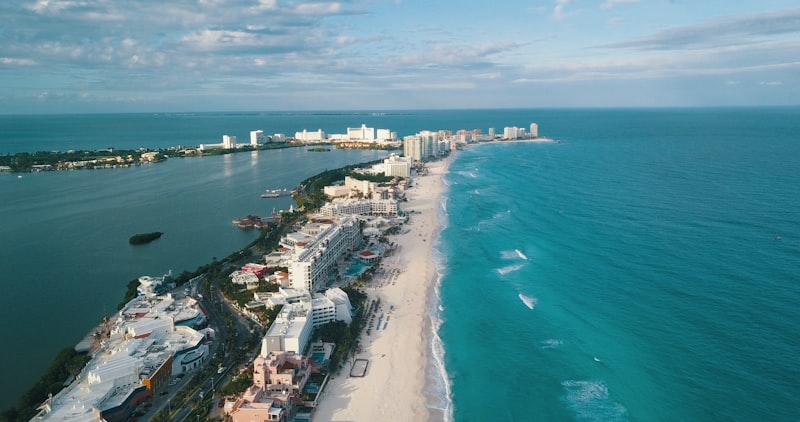
Cancun is Mexico's biggest international resort destination, drawing millions of visitors each year to its Caribbean beaches and all-inclusive resorts. The city is really two places: the Hotel Zone, a purpose-built strip of resorts, clubs, and tourist infrastructure on a barrier island, and downtown Cancun (Ciudad Cancun), a working Mexican city where most of the locals live.
Research conducted through direct venue visits and local interviews.
The nightlife scene in Cancun is dominated by the massive clubs in the Hotel Zone, places like Coco Bongo, The City, and Mandala, which cater to a young, party-oriented crowd. The adult entertainment component is more subtle than in Tijuana. There's no designated red-light district. Instead, freelancers frequent certain clubs, bars, and areas, and the scene operates within the broader nightlife culture.
Cancun's safety profile is better than most Mexican cities, particularly in the Hotel Zone. Heavy security, a tourist-dependent economy, and significant police presence make the hotel strip relatively safe. Downtown is a different story and requires more awareness, though it's still manageable with basic precautions.
Legal Context
Quintana Roo, the state where Cancun is located, doesn't have the formalized tolerance zone system found in cities like Tijuana. Prostitution occupies a semi-legal space. Street solicitation is illegal, and police periodically conduct operations targeting visible sex work, particularly in the Hotel Zone when complaints arise.
In practice, the entertainment industry operates through bars and clubs where freelancers are present alongside regular customers. Establishments don't formally employ or arrange sex work, but they're aware of and tolerate the activity as long as it remains discreet and doesn't create problems.
Strip clubs and gentlemen's clubs operate under entertainment licenses. These venues range from legitimate dance clubs to establishments where additional services are negotiated privately. The legal risk for tourists is minimal as long as all parties are consenting adults and interactions remain within venues or private settings.
Key Areas
Hotel Zone (Zona Hotelera) is the main tourist strip and where most nightlife takes place. The large nightclubs are concentrated in the central portion of the zone, near the Forum by the Sea and La Isla Shopping Village areas. Several bars and smaller clubs throughout the zone are known as spots where freelancers mix with regular nightlife crowds. The Hotel Zone is well-lit, heavily patrolled, and relatively safe.
Downtown Cancun (Ciudad Cancun) has a different nightlife scene from the Hotel Zone. The Parque de las Palapas area and surrounding streets have local bars, clubs, and restaurants at significantly lower prices. Some venues downtown cater to a clientele looking for adult entertainment. The atmosphere is more authentically Mexican, less resort-oriented, and cheaper. Safety requires more awareness here.
Zona Rosa is the area in downtown Cancun near Avenida Tulum and Avenida Nader that has bars, strip clubs, and nightlife venues aimed at both locals and visitors. Prices are lower than the Hotel Zone, and the scene is grittier. Some of the more explicitly adult-oriented venues in Cancun operate in this area.
Safety
Cancun's Hotel Zone is one of the safer nightlife environments in Latin America, but it's not risk-free.
Nightclub overcharging: The large Hotel Zone clubs are known for aggressive pricing. Drink packages that seem like deals can have hidden conditions. Cover charges change unpredictably. VIP table bottles may be counterfeit or watered down. Credit card charges sometimes include unauthorized additions. Review your bill carefully and consider paying cash to limit exposure.
- The Hotel Zone is well-protected with police, military, and private security. It's the safest area for nightlife
- Downtown Cancun requires more caution at night. Stick to main streets and use ride-hailing apps
- Drink spiking happens in busy clubs, particularly during spring break and holiday periods. Watch your drink
- Cartel violence occasionally makes headlines in Cancun but typically doesn't target tourist areas. Stay informed through your hotel's concierge
- Don't buy drugs. Dealers may approach you in clubs or on the street. The drugs may be dangerous, and the transaction may lead to robbery or police involvement
- Use Uber or hotel taxis. Avoid random street taxis, especially late at night
- Beach safety: The ocean side of the Hotel Zone has strong currents. Don't swim intoxicated. Also, the beach can be isolated at night
Cultural Norms
Cancun has a unique culture shaped by tourism, but Mexican social norms still apply:
- English is widely spoken in the Hotel Zone. Downtown, Spanish becomes more important
- Mexican hospitality is genuine. Hotel and restaurant staff are generally warm and helpful
- The spring break crowd (March) brings a specific, chaotic energy that some visitors love and others avoid
- Cancun is more expensive and more Americanized than most of Mexico. Don't mistake it for representative of the broader country
- Tipping is important and expected. 15-20% at restaurants, $1-2 per drink at bars. Staff in Cancun rely on tips
- Dress codes at major clubs are enforced. No flip-flops, tank tops, or beachwear after dark
- Mexican time applies. Events and nights start later than you might expect
Social Scene
The Hotel Zone's mega-clubs, Coco Bongo, The City, and Mandala, are the obvious starting points for meeting people. They're loud, expensive, and packed with tourists, which makes them easy places to strike up conversations with other travelers. Cover charges run from 500 to 1,500 MXN depending on the night and what's included. Most of these venues target a young party crowd, and the social dynamics are heavily shaped by the fact that nearly everyone there is on vacation.
Downtown Cancun offers a completely different experience. The area around Parque de las Palapas has bars, restaurants, and street food stalls where locals actually spend their evenings. Prices are a fraction of Hotel Zone rates, a beer costs 40-60 MXN instead of 150+, and the atmosphere feels like a real Mexican city rather than a resort bubble. If you're looking to connect with Cancunenses rather than fellow tourists, this is where to go.
Playa del Carmen sits about 45 minutes south and has built a distinct social identity around Quinta Avenida (5th Avenue). The vibe there skews more relaxed than Cancun's Hotel Zone, attracting expats, digital nomads, and longer-term visitors. The bar scene on 5th Avenue is walkable and social without the sensory overload of Cancun's mega-clubs.
During the day, beach clubs in the Hotel Zone double as social hubs, and cenote day trips down the coast create natural opportunities to meet people in smaller groups. The expat community is concentrated in Playa del Carmen and Tulum rather than Cancun proper; Facebook groups like "Expats in Riviera Maya" and "Playa del Carmen Expats" are the main online hubs for connecting with longer-term residents.
One thing to keep in mind: Cancun's Hotel Zone is almost entirely populated by visitors. Most social interactions there are tourist-to-tourist, not tourist-to-local.
Local Dating Notes
Cancun locals have seen every tourist approach in the book. The resort environment creates a revolving door of short-term visitors, and most Cancunenses are well aware of the pattern. Genuine curiosity about Mexican culture, some effort with Spanish, and a willingness to venture into downtown signal that you're different from the spring-break crowd. The party scene in the Hotel Zone can be fun, but it's not where meaningful connections happen. Those require stepping outside the tourist infrastructure.
Best Times
Cancun has a tropical climate. The dry season (November through April) is the most comfortable, with warm days and pleasant evenings. The wet season (May through October) brings humidity, afternoon rain, and hurricane risk (August through October is peak hurricane season).
Peak tourist season runs from December through April, coinciding with North American and European winter. Spring break (March) is the absolute peak and brings the most chaotic nightlife. Prices are highest and availability is tightest during these months.
The shoulder seasons (May-June, November) offer a good balance of decent weather, lower prices, and manageable crowds. September and October are the cheapest but carry weather risk.
Thursday through Saturday are peak nightlife nights. The Hotel Zone clubs are open most nights but are noticeably quieter early in the week.
Getting Around
- Uber: Works in Cancun, though taxi unions have sometimes clashed with the service. Generally reliable in the Hotel Zone and downtown
- Hotel Zone buses (R1, R2): Cheap public buses run the length of the Hotel Zone. They operate until late at night and cost about 12 pesos. Useful for getting between clubs
- Taxis: Regulated but expensive in the Hotel Zone. Always confirm the fare before getting in. Hotel taxis are the safest option
- Walking: The Hotel Zone is long and linear. Walking between nearby venues is fine, but moving between distant parts of the zone requires transport
- Rental cars: Useful for exploring the Riviera Maya but not necessary for Cancun nightlife. Parking at clubs can be expensive
What Not to Do
- Don't buy drugs from dealers in clubs or on the street. This is how tourists get robbed, arrested, or worse
- Don't leave drinks unattended in busy clubs
- Don't wander off the main Hotel Zone strip at night
- Don't take unlicensed taxis, especially late at night
- Don't flash cash or wear expensive jewelry in downtown Cancun
- Don't engage with anyone who appears underage. Mexican and international law enforcement take this extremely seriously
- Don't swim in the ocean at night or while intoxicated
- Don't assume the Hotel Zone's safety extends to all of Cancun. Downtown and surrounding areas are a different environment
- Don't get into a fight at a club. Bouncers and police don't favor tourists, and Mexican jails are not somewhere you want to be
Get the Legal Status PDF, 50 countries
Newsletter signup coming soon. Check back shortly.
Bookable nightlife experiences in Cancun
Curated tours and shows from verified operators. Skip-the-line entry, bilingual guides, and fixed prices booked online.
Flights to Cancun
Compare prices across airlines. Filter by stops, time, and cabin.
Airport transfer to Cancun
Pre-booked transfers cost about the same as a metered taxi but cut out the airport queue, the meter argument, and the "no English" routine that takes some drivers to the wrong address. Fixed price quoted before booking, driver tracks your flight, waits with a name sign at arrivals.
Book a KiwiTaxi transferRelated Guides
Zona Rosa
District guide to Cancun's Zona Rosa area near Avenida Tulum and Avenida Nader, covering downtown nightlife, safety, and cultural context.
Read guideHotel Zone
District guide to the Hotel Zone (Zona Hotelera) in Cancun, the main tourist strip with mega-clubs, beach bars, and resort nightlife.
Read guideFrequently Asked Questions
Was this guide helpful?