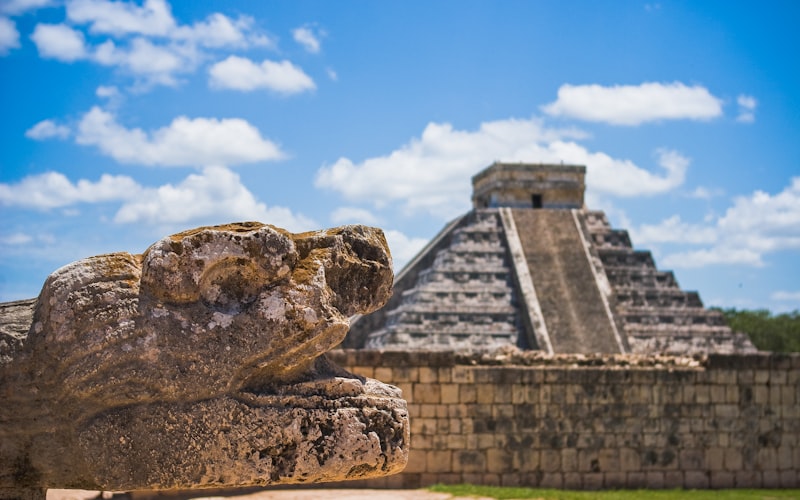


Before You Travel to Colombia
Five things every smart traveler sorts before booking.
- 1
Passport valid 6+ months from entry date
Most countries refuse entry on passports expiring within six months. Renew now if you're close.
- 2
Visa requirements for Colombia
Some are visa-free, some require an e-visa filed days ahead, some need an embassy appointment.
- 3
Travel insurance booked
A hospital visit in Colombia can run $4,000-15,000 without cover. Credit card insurance usually excludes alcohol-related incidents.
- 4
eSIM data plan ready before landing
Airport SIM kiosks need your passport and overcharge tourists. Install an eSIM in 60 seconds, online before you fly.
- 5
Accommodation reserved in the right district
The wrong neighborhood means a 45-minute taxi every night. Map the venues first, then book.
City Guides in Colombia
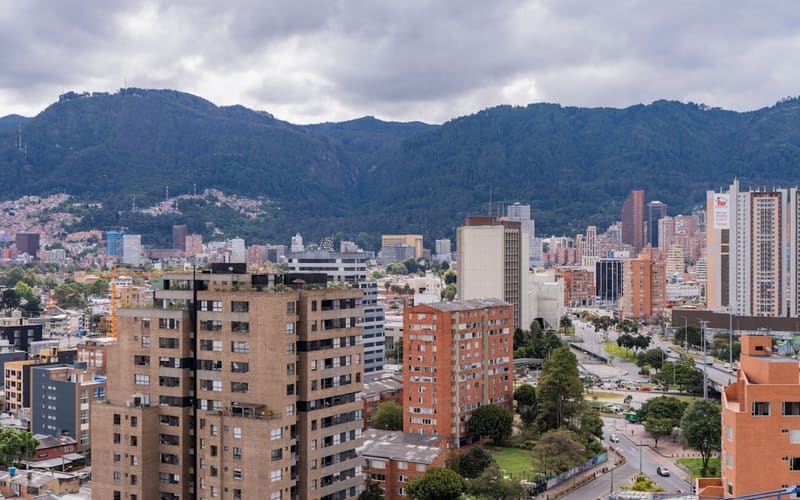
Bogotá
City guide to adult nightlife in Bogotá, covering Zona Rosa, Parque 93, and Chapinero with safety advice, scam warnings, and cultural context.
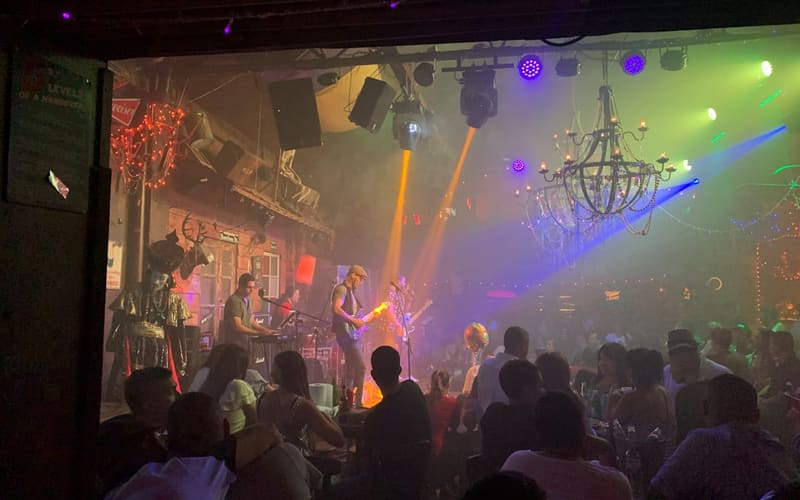
Cali
City guide to nightlife in Cali, the world's salsa capital, with district breakdowns, safety advice, and venue pricing for foreign visitors.

Cartagena
City guide to adult nightlife in Cartagena, covering key areas, safety warnings, scam awareness, and practical advice.
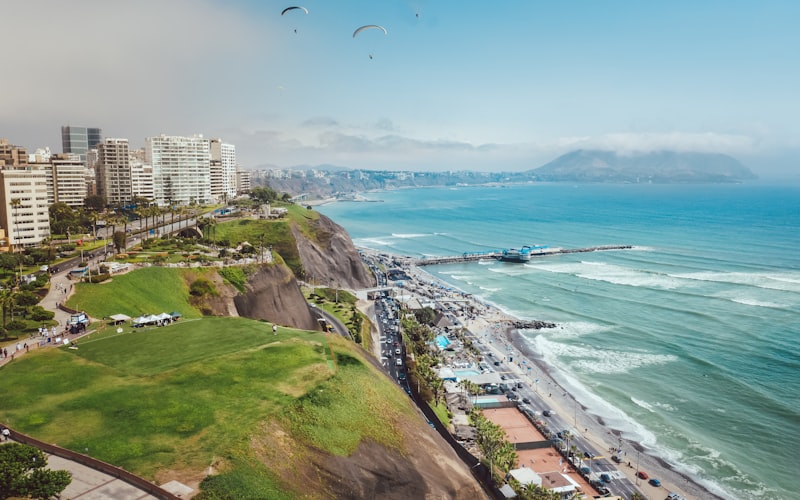
Medellin
City guide to adult nightlife in Medellin, covering key areas, safety warnings, scam awareness, and cultural context.
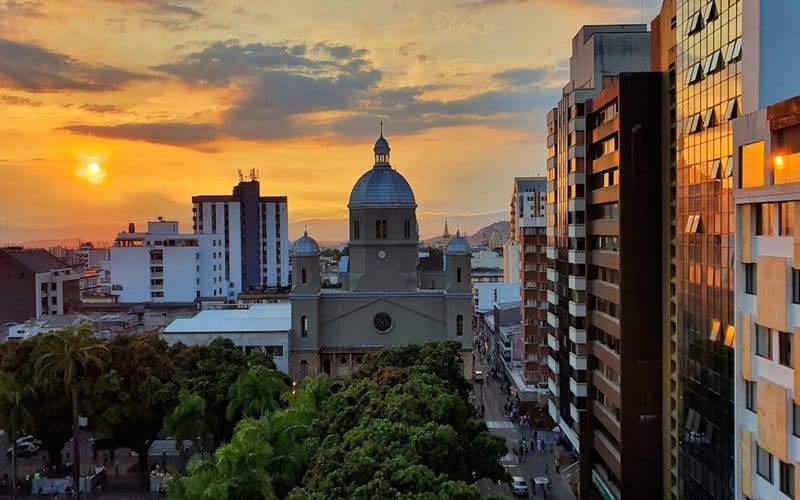
Pereira
City guide to adult nightlife in Pereira, Colombia, covering Avenida Circunvalar, Pinares, safety advice, and cultural context in the Coffee Triangle.
Compare hotels in Colombia
Hotels, hostels, and short-term rentals across the country's main nightlife cities.
Legal Framework
Prostitution is legal in Colombia for adults over 18 under the Constitutional Court's rulings. The Court has recognized sex work as a legitimate economic activity deserving of labor protections. Workers in registered establishments (zonas de tolerancia) have legal rights including health access and social protections.
Our field team visited Colombia most recently in February 2026.
However, the regulatory framework is incomplete. While the Constitutional Court has established principles, detailed implementing legislation has been slow to develop. Municipal governments regulate through zoning, designating tolerance zones where establishments may operate.
Pimping, trafficking, and exploitation are illegal and carry significant penalties. Colombia has been working to distinguish between voluntary sex work and trafficking, with varying degrees of success.
Enforcement Reality
Enforcement varies substantially by city and neighborhood. In designated tolerance zones, licensed establishments operate openly. Outside these zones, police intervention is more likely but inconsistent.
Colombian police have been reformed substantially in recent decades, but corruption remains a concern in some areas. The tourism police are generally helpful and approachable for foreign visitors.
Authorities have increased enforcement against exploitation and trafficking, particularly targeting establishments that employ minors or undocumented workers. Travelers should be aware that Colombian law applies equally to foreigners, and consular assistance may be limited in legal disputes.
Cultural Context
Colombian nightlife culture is lively, social, and late-running. Dinner typically begins at 8 or 9 PM, and nightlife continues until 3 or 4 AM. Music, dancing, and socializing are central to the culture.
The adult entertainment industry intersects with this broader nightlife culture in complex ways. Colombia has made significant progress in shedding its troubled reputation from the 1980s and 1990s, and the country is increasingly focused on legitimate tourism. However, the adult entertainment industry remains a visible part of the nightlife scene in major cities.
Foreign visitors, particularly from North America and Europe, are highly visible and should be aware that this visibility can attract both legitimate and illegitimate attention.
Dating Culture
Colombia is a warm, physically affectionate culture where couples hold hands, kiss, and display public affection without drawing a second glance. This openness extends to dating itself: Colombians tend to express emotions early and relationships can move quickly by Northern European or North American standards.
Traditional gender roles still hold considerable influence. Men are generally expected to pay for dates, particularly in the early stages. The concept of "caballerosidad" (chivalry) carries real weight, and small gestures like opening doors or pulling out chairs are noticed and appreciated. Women don't typically split bills on the first several dates.
Family plays a central role in Colombian relationships. Being introduced to someone's parents, siblings, or extended family can happen sooner than many foreigners expect, sometimes within a few weeks. This isn't necessarily a marriage signal; it reflects how deeply family is woven into daily life. Refusing or avoiding family contact may be read as a sign you're not serious.
Foreign men receive a mixed reception. Genuine curiosity and interest exist, but years of sex tourism in cities like Medellin and Cartagena have created understandable wariness among many Colombian women. Age gaps of five to ten years draw little attention. Larger gaps are more socially visible and can generate skepticism about the nature of the relationship.
Regional differences shape dating culture significantly. Paisas in Medellin are known for directness and pride in appearance. Costenos along the Caribbean coast (Cartagena, Barranquilla) tend to be more outwardly flirtatious and expressive. Rolos in Bogota are generally more reserved and formal in early interactions.
Common mistakes foreign men make include not learning basic Spanish (it's nearly a requirement for meaningful connection), misreading Colombian warmth and friendliness as romantic interest, ignoring basic safety precautions when meeting someone new, and displaying wealth in ways that attract the wrong kind of attention.
Dating Apps
Tinder dominates the Colombian market and is the most widely used app across all major cities. Bumble has gained traction among university-educated women in Bogota and Medellin. Colombian Cupid caters specifically to foreigners seeking Colombian partners, though it carries a stigma among some locals. Rappi, the delivery app, has introduced social features that some younger Colombians use to connect.
Spanish is the primary language on every platform. Profiles written only in English will severely limit your match pool outside of dedicated international dating sites. Even basic Spanish in your bio and opening messages signals effort and respect.
Many Colombian women use these apps for genuine dating and relationships. That said, the platforms also attract scammers and "prepago" (escort) profiles that can be difficult to distinguish from regular users at first glance. Be cautious of profiles that insist on meeting at a specific venue, as this can be a setup with accomplices. Romance scams that build trust online before leading to in-person robbery, sometimes involving scopolamine, are documented and ongoing.
Always video call before meeting in person. Meet in a public place for the first date. Don't share your accommodation address until you've established trust over multiple meetings.
Key Cities
Medellin has emerged as the most popular destination for foreign visitors exploring nightlife, with the Poblado neighborhood and Parque Lleras area serving as primary entertainment zones.
Bogota has a large, diverse nightlife scene spanning multiple neighborhoods, with the Zona Rosa and Chapinero areas being notable.
Cartagena combines colonial tourism with a nightlife scene in the walled city and the Bocagrande area.
Safety Considerations
Colombia has made remarkable safety improvements but requires more caution than Western European destinations:
- Use only pre-arranged transportation (Uber, InDriver, or hotel taxis). Never hail street taxis at night
- Do not accept drinks, food, or cigarettes from strangers. Scopolamine (burundanga) drugging is a real and serious threat
- Keep a low profile with electronics and jewelry
- Share your location with someone you trust when going out
- Travel insurance with medical evacuation coverage is strongly recommended
- Save the tourist police number (local number varies by city) in your phone
- Learn basic Spanish phrases, as English is not widely spoken outside tourist areas
Common Scams
Scopolamine (burundanga): This is Colombia's most dangerous scam. Criminals use this drug, derived from plants, to incapacitate victims. It can be administered through drinks, food, cigarettes, or even paper and business cards. Victims become compliant and may be robbed, assaulted, or worse, with little or no memory of the event. Never accept anything from strangers, and always watch your drinks being prepared and served.
Overcharging and bill manipulation: Some venues inflate prices for foreign visitors. Always confirm prices before ordering.
Staged romantic encounters: Individuals who approach tourists in nightlife areas may be working with accomplices who plan to rob the victim later. Exercise caution with unsolicited attention.
Fake police: Individuals impersonating police officers may demand to inspect belongings. Real police will provide identification and accompany you to a station if there is an issue.
What Not to Do
- Do not accept drinks or any substance from anyone you do not fully trust
- Do not display wealth. Leave expensive watches and jewelry at the hotel
- Do not travel to unfamiliar neighborhoods alone at night
- Do not resist armed robbery. Comply and report to police afterward
- Do not engage with anyone who appears to be underage. This carries severe legal penalties
- Do not assume that your embassy can resolve legal problems. Understand the law before you go
Sources
- U.S. Department of State: Colombia Travel Advisory - Entry requirements, safety alerts, and local law summary
- UK Foreign, Commonwealth & Development Office: Colombia Travel Advice - Safety, health, and legal information for travelers
- Australian Government Smartraveller: Colombia - Travel advisory and practical information
Get the Legal Status PDF, 50 countries
Newsletter signup coming soon. Check back shortly.
Colombia Map
Emergency Information: Colombia
- Emergency:
- 123
- Tourist Police:
- Tourism Police (Policia de Turismo) available in major cities
- Embassy Note:
- Most embassies are in Bogota. Consulates operate in Medellin, Cartagena, and other major cities.
Related Destinations
Argentina
Buenos Aires blends European sophistication with Latin passion. Palermo's upscale bars, San Telmo's tango culture, and some of South America's most striking women.
Bolivia
La Paz and Santa Cruz offer South America's cheapest nightlife in a country where the adult scene is small, unregulated, and concentrated in a handful of districts. Safety requires extra caution.
Brazil
Rio's Copacabana, Sao Paulo's Vila Olimpia, and stunning women across every price range. Legal, unregulated, and deeply woven into the nightlife culture of South America's largest country.
Chile
Santiago and Valparaiso offer South America's most orderly nightlife scene, with cocktail bars, live music, and a late-night culture shaped by Chilean reserve and European influence.
Similar Countries in Other Regions
Countries with a similar overall score to Colombia (4.3) but in different parts of the world.
Vietnam
4.3Southeast Asia
Hanoi and Ho Chi Minh City offer some of Asia's most beautiful women at rock-bottom prices. The scene is discreet, KTV-focused, and requires local knowledge to navigate.
Thailand
4.4Southeast Asia
Bangkok's go-go bars, Pattaya's Walking Street, and a nationwide scene that runs from budget to luxury. Tolerant culture, low prices, and the most developed adult entertainment infrastructure in Asia.
Philippines
4.1Southeast Asia
Angeles City's Fields Avenue and Manila's P. Burgos Street anchor a well-established scene. Affordable, English-speaking, and catering heavily to Western visitors.
Was this guide helpful?