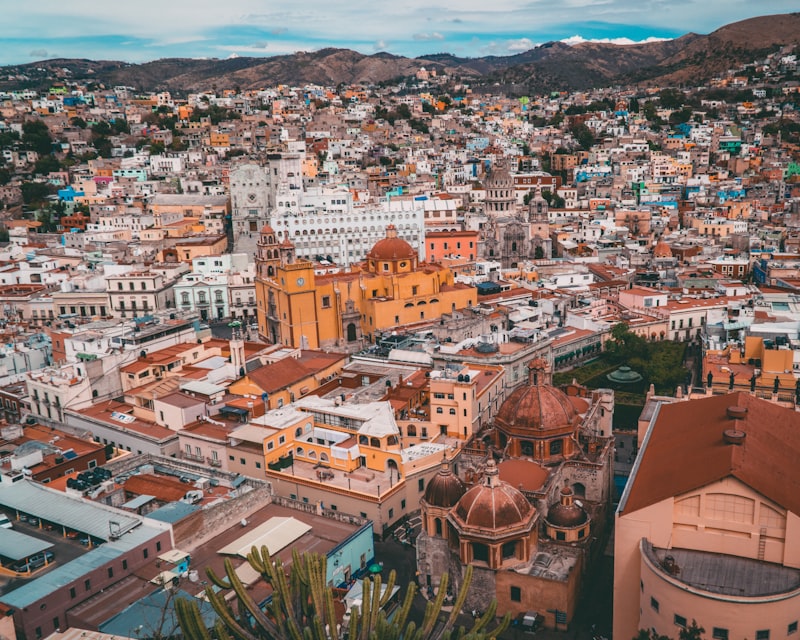

Neighborhoods to Explore
Explore each area for detailed nightlife guides
Avenida Revolucion
3/5ModerateDistrict guide to Avenida Revolucion in Tijuana, the city's main tourist strip with bars, restaurants, and nightlife venues.
12 nightlife spots listed
Zona Norte
1/5DangerousGuide to Tijuana's Zona Norte red-light district, covering the tolerance zone on Calle Coahuila, safety risks, pricing, and practical advice.
10 nightlife spots listed
District Map of Tijuana
Pick a district to recenter the map and see hotels nearby.
Where to stay in Tijuana
Compare hotels and rentals across the city's nightlife districts.
See places to stay and current pricesOverview
Tijuana sits directly on the US-Mexico border, less than 20 miles from downtown San Diego. This proximity has shaped the city's identity for over a century. It's been a destination for Americans seeking what they couldn't get at home since the Prohibition era, and the adult entertainment industry is part of that long history.
We spent 3 days in Tijuana researching this guide.
The city is complicated. Tijuana is a major manufacturing center, a growing culinary destination, and a creative hub with a genuine art and music scene. It's also a city with serious cartel violence, police corruption, and neighborhoods where tourists should not go. These two realities coexist, and getting around the city safely requires knowing which Tijuana you're in at any given moment.
The Zona Norte, Tijuana's red-light district, has operated as a tolerance zone for decades. It's not hidden or underground. It's a defined area with visible security, health requirements for workers, and an open marketplace. But it's also surrounded by neighborhoods affected by drug trafficking and violence, making the approach and exit potentially risky.
Legal Context
Mexico's approach to sex work varies by state and municipality. In Baja California, where Tijuana is located, the state allows municipalities to regulate prostitution through tolerance zones. Tijuana's Zona Norte operates under this framework. Workers are supposed to register with the municipal health department and carry a tarjeta sanitaria (health card) showing they've passed regular STI screenings.
Outside the designated zone, solicitation and sex work are illegal and subject to arrest. The practical enforcement of this varies, but the distinction between the tolerance zone and everywhere else is real.
The regulatory system, while functional on paper, has gaps. Not all workers carry valid health cards, registration isn't universal, and the oversight of venues within the zone varies. The system is better than no regulation but falls short of the regulated models found in parts of Europe.
Key Areas
Zona Norte is the designated tolerance zone, concentrated on and around Coahuila Street, just blocks from the San Ysidro border crossing. It contains strip clubs, bars with private rooms, and small hotels (called "hot sheets" or cuartos). The area is active from early evening until the early morning hours. Security within established venues is present but variable.
Avenida Revolucion is Tijuana's main tourist strip, a long boulevard lined with bars, restaurants, pharmacies, and souvenir shops. It's where most American day-trippers spend their time. The avenue itself is reasonably safe during the day and early evening, with a police presence and established businesses. Some bars along Revolucion have adult entertainment elements, but it's primarily a conventional nightlife and tourist shopping area.
Zona Rio is Tijuana's more upscale commercial and dining district, located east of the tourist zone. It has good restaurants, modern bars, and a more middle-class Mexican atmosphere. There's less adult entertainment here, but some strip clubs and gentlemen's clubs operate in the area. It's significantly safer than the Zona Norte.
Safety
Tijuana's safety situation is serious and shouldn't be downplayed. The city has high rates of cartel-related violence, though most of this doesn't directly affect tourists in tourist zones.
Police extortion is common. Officers may approach tourists, particularly near the Zona Norte, and demand money for alleged infractions. They may threaten arrest or confiscation of your belongings. Carrying only small amounts of cash ($20-40) for potential "fines" is a pragmatic approach. Don't argue, don't resist, and don't carry anything you can't afford to hand over.
- Don't wander outside the established zones. The neighborhoods surrounding the Zona Norte are genuinely dangerous
- The border crossing back to the US can take hours. Don't get stuck in Tijuana at 3 AM. Plan your return
- Don't carry your US passport loosely. Keep it secure on your body. Losing it in Tijuana creates a serious problem
- Leave credit cards and unnecessary documents on the US side. Carry only cash you're prepared to lose and a copy of your passport
- Don't drink excessively. Being intoxicated in the Zona Norte makes you a target for robbery and extortion
- Stay on main streets. Side streets and alleys, especially near the Zona Norte, can be very dangerous
- Don't buy or carry drugs. This cannot be stressed enough. Drug-related encounters with police or cartels can be life-threatening
- Be aware that the US border closes for pedestrians at certain hours. Check current crossing times before you go
Cultural Norms
Tijuana is a border city with its own distinct culture:
- Spanish is the primary language, but English is widely understood in tourist areas due to the border proximity
- Tijuana residents (Tijuanenses) are proud of their city and tired of its negative reputation. Treat the city and its people with respect
- Bargaining is expected in tourist shops and with taxis but not in established restaurants or bars
- Mexican machismo culture can be intense. Confrontations between men can escalate quickly. Avoid them
- The peso is the local currency, but US dollars are widely accepted in tourist areas, often at a slight premium
- Tipping 10-15% is standard. In the Zona Norte, tips are an important part of the economy
- The food scene in Tijuana is genuinely excellent. Tacos, seafood, and craft beer are world-class
Social Scene
Avenida Revolucion remains the traditional tourist strip, though it's matured well beyond its old reputation as a strip of cheap bars and souvenir shops. The avenue now has legitimate restaurants, cocktail bars, and cultural spaces mixed in with the tourist-oriented spots. It's still the easiest place for Americans to start their evening, and English works fine here.
Zona Rio is where Tijuana's middle and upper class goes out. The restaurants and bars here feel more like what you'd find in a nice San Diego neighborhood than the gritty border-town stereotype. This area has become the center of Tijuana's growing food scene, which has earned genuine international recognition for its tacos, seafood, and fusion cuisine.
The craft beer scene sets Tijuana apart from every other Mexican city. Tijuana has Mexico's most developed brewery culture, with dozens of small producers turning out world-class beer. Plaza Fiesta, a small mall that's been converted into a craft beer collective, houses 15+ small breweries under one roof and serves as a social hub. Cerveceria Insurgente, Border Psycho, and Mamut are among the better-known names, but the smaller operations are often just as good. This scene attracts a young, creative crowd and makes for easy socializing.
During the day, the Centro Cultural Tijuana (CECUT) anchors a growing cultural district. Food tours through the Zona Gastro area have become popular, and the specialty coffee scene is expanding fast. These aren't tourist traps; they're where Tijuanenses actually spend time on weekends.
The cross-border dynamic shapes everything about Tijuana's social life. You'll meet Mexican locals, American day-trippers, Americans who live on the Mexican side for cost savings, and deportees who've built new lives in the city. This mix creates a social environment that's more culturally blended than anywhere else in Mexico. The expat community is small but present, concentrated mostly among Americans renting apartments in the Playas de Tijuana area.
Local Dating Notes
Tijuana is more Americanized than most Mexican cities, and the cultural gap between locals and American visitors is smaller here than almost anywhere else in the country. Most Tijuanenses interact with Americans regularly and don't treat foreign visitors as exotic or unusual. This can actually work in your favor since conversations feel more natural and less filtered through the tourist-local power dynamic. Tinder and Bumble both have active user bases on both sides of the border, and cross-border matches are common.
Best Times
Tijuana's climate is mild year-round, similar to San Diego's. Summer (June through September) is warm and dry. Winter (December through February) is cooler with some rain but still comfortable.
The busiest periods for the adult entertainment scene are weekends, particularly Friday and Saturday nights. The Zona Norte is active every night but significantly busier on weekends when Americans cross the border.
Major US holidays (Labor Day, Memorial Day, Fourth of July) bring increased traffic. Spring break (March) is also busy. Weekday visits tend to be less crowded and less hectic.
Getting Around
- Walking across the border: The most common approach. San Ysidro pedestrian crossing is straightforward going south; returning north involves waiting in line
- Taxis from the border: Yellow taxis line up at the crossing. Negotiate your fare before getting in. $5-10 to most tourist areas
- Uber: Works in Tijuana and is generally reliable and cheap. The safest transport option
- Walking: Fine on Avenida Revolucion and in Zona Rio during the day. Not recommended between zones or at night outside the main strips
- Driving across: Possible but adds complexity with Mexican car insurance requirements and long return lines. Not recommended for nightlife trips
What Not to Do
- Don't wander off the main tourist streets, especially near the Zona Norte
- Don't carry drugs across the border in either direction. Consequences are severe on both sides
- Don't carry more cash than you need for the evening
- Don't get into confrontations with anyone, including police
- Don't take photos of police, military, or sensitive areas
- Don't engage with anyone who appears underage. Mexican and US law enforcement cooperate on these cases
- Don't stay too late without a plan to get back across the border
- Don't assume that proximity to the US means US safety standards apply. You're in a different country with different risks
- Don't flash US dollars or expensive items. Keep a low profile
Get the Legal Status PDF, 50 countries
Newsletter signup coming soon. Check back shortly.
Flights to Tijuana
Compare prices across airlines. Filter by stops, time, and cabin.
Airport transfer to Tijuana
Pre-booked transfers cost about the same as a metered taxi but cut out the airport queue, the meter argument, and the "no English" routine that takes some drivers to the wrong address. Fixed price quoted before booking, driver tracks your flight, waits with a name sign at arrivals.
Book a KiwiTaxi transferRelated Guides
Avenida Revolucion
District guide to Avenida Revolucion in Tijuana, the city's main tourist strip with bars, restaurants, and nightlife venues.
Read guideZona Norte
Guide to Tijuana's Zona Norte red-light district, covering the tolerance zone on Calle Coahuila, safety risks, pricing, and practical advice.
Read guideFrequently Asked Questions
Was this guide helpful?