Where the Nightlife Is
Tap a district for venues, prices, and safety info
Bui Vien Street
3/5ModerateGuide to Bui Vien Walking Street in HCMC District 1, covering nightlife, bar prices, safety warnings, and what to expect.
10 nightlife spots listed
Pham Ngu Lao
3/5ModerateGuide to the Pham Ngu Lao backpacker district in HCMC, covering Bui Vien nightlife, bar pricing, massage shops, and safety.
10 nightlife spots listed
Le Thanh Ton
3/5ModerateDistrict guide to Le Thanh Ton and the Little Tokyo alleys in HCMC District 1, covering Japanese-style hostess bars, izakayas, pricing, and safety.
8 nightlife spots listed
District Map of Ho Chi Minh City
Pick a district to recenter the map and see hotels nearby.
Where to stay in Ho Chi Minh City
Compare hotels and rentals across the city's nightlife districts.
See places to stay and current pricesOverview
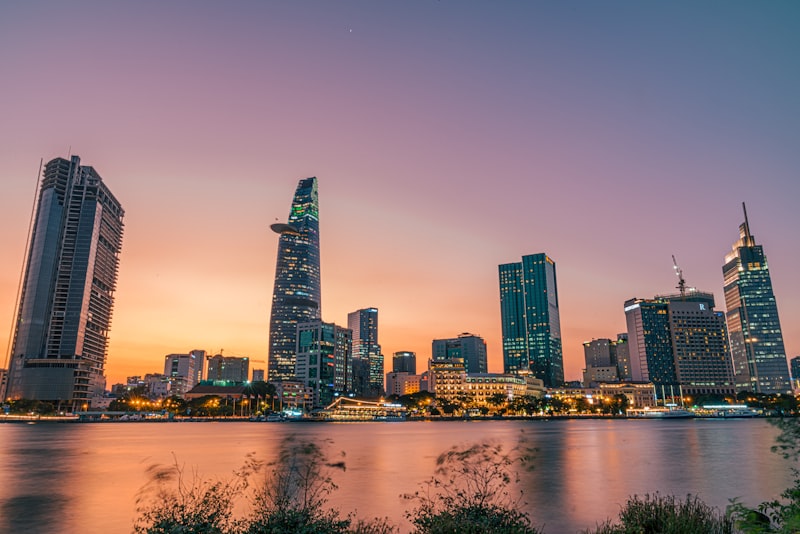
Ho Chi Minh City, still widely called Saigon by locals, is Vietnam's largest city and its commercial heart. It's a place of relentless energy, with motorbikes flooding every street and a food scene that's among the best in Asia. The nightlife has grown rapidly alongside Vietnam's economic boom, and the city now offers everything from rooftop cocktail bars to underground clubs.
Our team walked every district covered here.
The adult entertainment industry here is less visible and less organized than in Bangkok or Manila. Vietnam's government maintains tighter control over social order than its Southeast Asian neighbors, and periodic crackdowns keep the industry more discreet. That said, it exists, operating through massage establishments, KTV bars, and nightclub venues. The scene requires more local knowledge to navigate than more obvious red-light districts elsewhere in the region.
One thing that sets HCMC apart is its safety profile. For a megacity of nearly 9 million people, it's remarkably safe for visitors. Violent crime against tourists is genuinely rare. The risks here are mainly petty: motorbike snatching, overcharging, and minor scams.
Legal Context
Vietnam's laws prohibit prostitution, and offenders can face administrative fines or, in serious cases, criminal prosecution. The government conducts periodic campaigns against "social evils" (te nan xa hoi) that target sex work, drug use, and gambling.
In practice, enforcement is selective. High-profile venues that draw attention or that operate without adequate connections may face raids. Most established businesses maintain their operations through a combination of licensing, discretion, and local relationships.
KTV bars and massage parlors operate under standard business licenses. As long as they maintain a facade of legitimate entertainment or wellness services, they're generally left alone. Street-level solicitation is more aggressively policed than venue-based activity.
Foreign visitors face minimal legal risk for patronizing entertainment venues, but being caught in a raid can result in fines, passport confiscation, and an uncomfortable encounter with local police. Having your hotel's contact information and a photocopy of your passport is advisable.
Key Areas
Bui Vien Street is the backpacker and tourist nightlife hub in District 1. The pedestrianized section comes alive after dark with bars pumping music onto the street, cheap beer, and a chaotic atmosphere. It's not specifically an adult entertainment area, but freelancers frequent the bars and clubs along this strip. It's the most accessible starting point for visitors.
District 1 broadly contains the majority of HCMC's tourist-oriented nightlife. Beyond Bui Vien, the area around Dong Khoi Street and Nguyen Hue Walking Street has upscale bars, clubs, and entertainment venues. Massage parlors with adult services are scattered throughout the district, often identifiable by their late operating hours and neon signage.
Pham Ngu Lao is the broader backpacker area surrounding Bui Vien. It has budget hotels, travel agencies, and a nightlife scene that extends beyond the main strip. Some of the area's smaller bars and massage places offer adult services. This neighborhood has a grittier, more local feel than the polished parts of District 1.
Safety
HCMC is one of the safest major cities in the region for nightlife, but it's not without risks.
Motorbike bag snatching: Like Phnom Penh, this is the primary physical threat. Thieves on motorbikes snatch bags, phones, and cameras from pedestrians. The speed and force can cause injury. Keep bags on the building side when walking, use cross-body bags, and don't hold your phone out near the road.
- Use Grab for transport. It's cheap, reliable, and the safest option. Motorbike taxis (Grab Bike) are fine for solo travelers comfortable on two wheels
- Motorbike snatching is the main threat. Be careful with bags and phones near roads
- Watch for taxi scams. If not using Grab, only use Vinasun (white) or Mai Linh (green) metered taxis
- Police encounters are generally mild but can involve requests for "fines" (bribes). Stay calm, be polite, and carry a photocopy of your passport
- The overall violent crime risk is low. HCMC is significantly safer than Manila, Phnom Penh, or Latin American destinations
- Traffic is the real danger. Crossing the street requires confidence. Walk slowly and steadily; motorbikes will flow around you. Don't stop suddenly or change direction
Cultural Norms
Vietnamese culture blends Confucian values with a modern, entrepreneurial spirit:
- Vietnamese is the language. English is growing among younger people but limited overall. Learn basic phrases; they're appreciated
- Vietnamese people are curious and friendly toward foreigners. Genuine warmth is common
- Bargaining is expected in markets and with taxis but not in fixed-price establishments
- Vietnamese coffee culture is strong. Sitting at a street-side cafe is a great way to observe and meet people
- "Face" matters. Don't embarrass anyone publicly, especially in disputes
- Tipping isn't traditionally expected but is increasingly appreciated in tourist areas. 10-15% at upscale venues
- Vietnamese food is a highlight. Street food is safe, cheap, and excellent
Social Scene
Bui Vien Street in District 1 is the most obvious social starting point. The pedestrianized backpacker strip is loud and chaotic, but the density of bars and outdoor seating makes meeting people effortless. Cheap beer (15,000-25,000 VND / $0.60-1.00) and shared tables do the work for you. For something with more character, Pasteur Street Brewing Company operates several taprooms across the city serving Vietnamese-inspired craft beer in a more relaxed setting. Saigon Saigon, the rooftop bar at the Caravelle Hotel, offers cocktails with a view of Nguyen Hue Walking Street and attracts a well-dressed crowd.
District 2's Thao Dien neighborhood is the city's expat heartland. Western-style bars and restaurants line the streets, and the atmosphere feels distinctly different from the rest of HCMC. The Deck, a riverside bar and restaurant, is popular for weekend brunches and sunset drinks. Heart of Darkness, originally from Phnom Penh, serves craft beer in a social, laid-back space. Thao Dien is where longer-term expats tend to settle, so the social dynamics are different from the transient backpacker scene on Bui Vien.
Daytime social life revolves around coffee. HCMC has an extraordinary cafe culture, and spending time at a good one puts you in proximity to students, freelancers, and young professionals. The Workshop in District 1 is a popular specialty coffee spot with communal tables. L'Usine combines coffee, fashion, and gallery space in a converted warehouse. Coworking spaces like Dreamplex and CirCO in Districts 1 and 2 attract remote workers and entrepreneurs, and many host after-work events and mixers.
The expat community is large and active. The Ho Chi Minh City Expats Facebook group is the main hub for finding events, asking questions, and connecting with people. InterNations runs regular meetups at upscale venues. Various Saigon Sports groups organize football, rugby, and running leagues that double as social networks. The Hash House Harriers hold weekly running events followed by drinks. Language exchange meetups happen at cafes and cultural centers across the city, drawing Vietnamese students and professionals who want to practice English.
HCMC's social scene is more open and dynamic than Hanoi's. The city has a younger, more cosmopolitan energy, and people here are generally quicker to engage with strangers. The south's cultural temperament is warmer and more direct than the north's, which translates into a social environment where connections form faster.
Best Times
HCMC has a tropical climate with two seasons. The dry season (December through April) is more comfortable, with lower humidity and less rain. The wet season (May through November) brings daily afternoon downpours, but they're usually short and intense rather than all-day affairs.
The Tet holiday (Vietnamese New Year, usually late January or February) transforms the city. Many businesses close for a week or more, workers return to their hometowns, and the city becomes unusually quiet. Nightlife venues are heavily affected. Plan around Tet unless you want to experience the cultural celebration rather than the nightlife.
Weekends are the busiest for nightlife, particularly Friday and Saturday. Bui Vien is active every night, but midweek crowds are thinner.
Getting Around
- Grab: A must. Both Grab Car and Grab Bike are widely available, cheap, and reliable
- Metered taxis: Vinasun and Mai Linh are reputable companies. Avoid unmarked taxis
- Motorbike rental: Popular with longer-term visitors but HCMC traffic is intense. Not for the inexperienced
- Walking: Fine in District 1 during the day. At night, stick to well-lit areas and guard your belongings
- Buses: The network is extensive and cheap but slow and confusing for visitors
- Metro: Line 1 opened recently connecting Ben Thanh to eastern districts. Still limited but expanding
What Not to Do
- Don't hold your phone out near the road. Snatch theft from motorbikes is common
- Don't carry bags on the road-side shoulder
- Don't carry or use drugs. Vietnam has some of the harshest drug penalties in the world, including the death penalty for trafficking
- Don't engage with anyone who appears underage. Vietnamese law is strict and enforcement is active
- Don't get into confrontations with locals or police. Stay calm, smile, and resolve issues quietly
- Don't assume that all massage parlors offer the same services. Many are legitimate wellness businesses
- Don't jaywalk carelessly. Traffic won't stop for you, but it will flow around you if you walk steadily
- Don't disrespect Vietnamese history or political symbols. The government takes this seriously
Get the Legal Status PDF, 50 countries
Newsletter signup coming soon. Check back shortly.
Bookable nightlife experiences in Ho Chi Minh City
Curated tours and shows from verified operators. Skip-the-line entry, bilingual guides, and fixed prices booked online.
Saigon Street Food & Bui Vien Backpacker Tour
Pho stop, banh mi stop, then walk Bui Vien beer street with a local guide. Cheap, casual, late-night.
Ho Chi Minh City Rooftop Bar Tour
Three rooftops in District 1 with covers prepaid and reserved seating. Good for first-time visitors.
Flights to Ho Chi Minh City
Compare prices across airlines. Filter by stops, time, and cabin.
Airport transfer to Ho Chi Minh City
Pre-booked transfers cost about the same as a metered taxi but cut out the airport queue, the meter argument, and the "no English" routine that takes some drivers to the wrong address. Fixed price quoted before booking, driver tracks your flight, waits with a name sign at arrivals.
Book a KiwiTaxi transferFrequently Asked Questions
Related Guides
Bui Vien Street
Guide to Bui Vien Walking Street in HCMC District 1, covering nightlife, bar prices, safety warnings, and what to expect.
Read guidePham Ngu Lao
Guide to the Pham Ngu Lao backpacker district in HCMC, covering Bui Vien nightlife, bar pricing, massage shops, and safety.
Read guideLe Thanh Ton
District guide to Le Thanh Ton and the Little Tokyo alleys in HCMC District 1, covering Japanese-style hostess bars, izakayas, pricing, and safety.
Read guideWas this guide helpful?