Kabukicho
Semi-Legal3/5ModerateDistrict guide to Kabukicho in Shinjuku, Tokyo. Japan's largest entertainment district, with practical advice and safety information.

Where to stay near Kabukicho
Hotels walking distance from the venues on this page.
See places to stay and current pricesThe Nightlife Scene
Hand-picked spots in this district
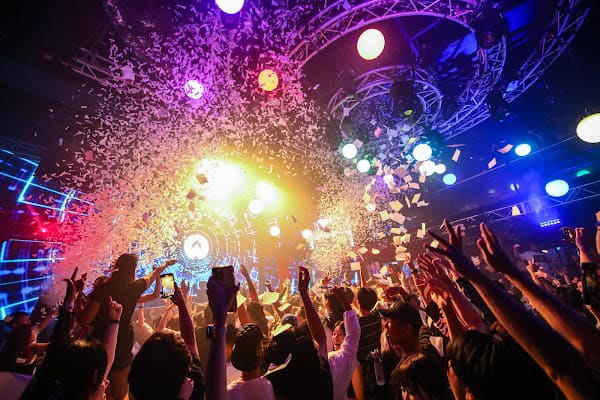
WARP SHINJUKU
Large multi-floor club in central Kabukicho with EDM and hip-hop floors. Popular with younger Japanese clubgoers. Cover 2,000-3,000 JPY with one drink included.
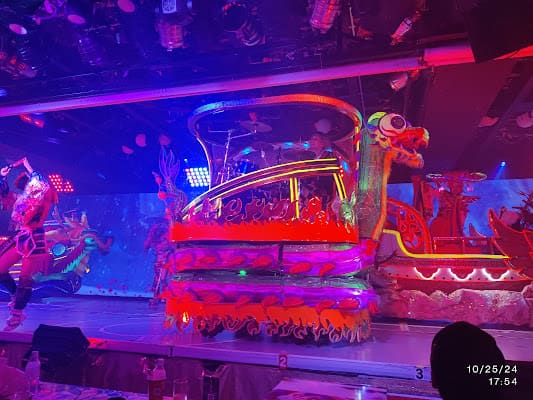
Robot Restaurant
Kabukicho's signature tourist attraction with neon-lit robot shows, dancers, and music. Not a traditional club but a theatrical experience. Tickets from 6,500 JPY.
1-7-1 Kabukicho
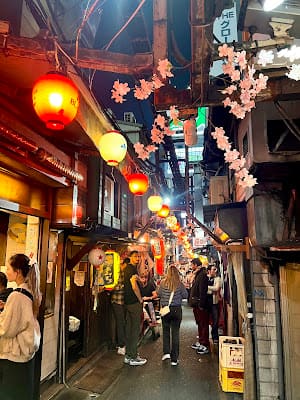
Golden Gai
Block of over 200 tiny bars, each seating 5-10 people. Some welcome foreigners, others don't. Cover charges (500-1,500 JPY) are standard. Drinks from 700 JPY.
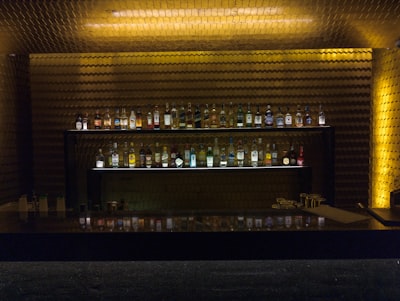
Albatross
Three-story Golden Gai bar with a chandelier and antique decor. One of the more foreigner-friendly spots. Standing room only on weekends.
1-1-7 Kabukicho, Golden Gai
Samurai
Foreigner-friendly bar on the edge of Golden Gai with a relaxed owner who speaks English. Whisky selection and casual conversation. No cover charge.
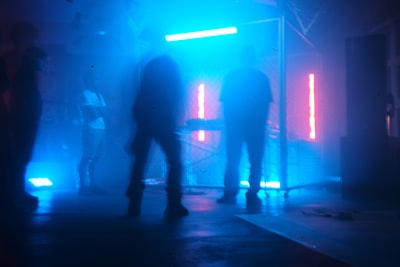
Club Asia
Multi-floor venue in the heart of Kabukicho playing house, techno, and hip-hop across separate rooms. Regular international DJ bookings and a capacity around 800.
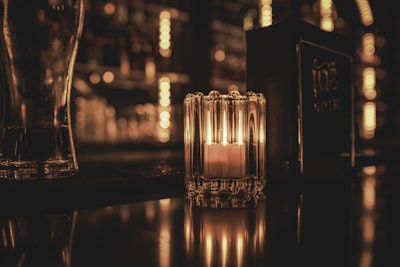
Kitsune
Upscale cocktail lounge on Kabukicho's main drag with dim lighting and velvet seating. Cocktails start at 1,200 JPY and the crowd skews late-twenties professionals.
Bar Champion
Tiny Golden Gai bar decorated floor to ceiling with boxing memorabilia. Seats eight people maximum. The owner pours generous whisky highballs and speaks decent English.
1-1-6 Kabukicho, Golden Gai
Votan
Basement club under a karaoke building specializing in hip-hop and R&B. Popular with university students on Friday nights. Cover is 2,000 JPY with two drinks.
Shinjuku Batting Center Bar
Combination batting cage and bar near the Kabukicho entrance gate. Drinks from 500 JPY, batting rounds 400 JPY. A casual way to start a night out.
1-22-10 Kabukicho, Shinjuku-ku
La Jetee
Film-themed Golden Gai bar named after the Chris Marker movie. The owner is a former film critic who screens short films on a small monitor behind the bar.
1-1-8 Kabukicho, Golden Gai
Overview and Location
Kabukicho is a roughly 0.35 square kilometer entertainment district located immediately east of Shinjuku Station in Tokyo's Shinjuku ward. It is, by virtually any measure, the largest entertainment district in Japan and one of the largest in the world, containing over 3,000 establishments that employ tens of thousands of workers.
Venue details verified through on-site research.
The district is named after a kabuki theater that was planned for the area during post-war reconstruction but never built. Despite the name, Kabukicho has never been associated with kabuki theater. It evolved instead into an entertainment district during the economic boom of the 1960s and has grown continuously since.
Kabukicho is immediately identifiable by its dense signage, neon lighting, and the iconic Godzilla statue perched atop the Shinjuku Toho Building at its entrance. The district is bounded roughly by Yasukuni-dori to the south, Meiji-dori to the east, Okubo-dori to the north, and the west side of Shinjuku Station.
Legal Status
Kabukicho operates entirely within the Japanese legal framework. Establishments are licensed under the Fueiho (Businesses Affecting Public Morals Regulation Act) and must operate within the specific parameters of their license category.
Key categories present in Kabukicho:
- Izakaya and restaurants: Standard food and beverage licenses
- Kyabakura (cabaret clubs): Hostess bars where female staff provide conversation and companionship
- Host clubs: The male equivalent, where male staff entertain female customers
- Karaoke: Both standard and "snack" varieties where hostesses accompany customers
- Fuzoku: Adult entertainment establishments with specific licensing for various service categories
- Love hotels: Short-stay accommodation licensed for this purpose
Each establishment must display its license, and the specific activities permitted depend on the license category.
Costs and Pricing
Kabukicho is expensive. Budget accordingly and understand the pricing structures before entering any establishment.
Hostess bars (kyabakura) charge a base set fee of 5,000-10,000 JPY for 50-60 minutes. Nominating a specific hostess adds 1,000-3,000 JPY. Drinks for yourself cost about 1,500 JPY each. A service charge of 10-30% gets added to the total bill. A typical visit runs 15,000-30,000 JPY.
Girls bars charge 6,000-11,000 JPY for 40 minutes. Each staff member who rotates to your seat will expect a "drink back" at around 2,400 JPY. With the 25% service charge and 10% tax, 90 minutes can easily reach 40,000-55,000 JPY.
Golden Gai is more affordable. Cover charges run 500-2,000 JPY per bar (usually including a small snack). Beer costs 700-900 JPY, whisky and cocktails 600-1,500 JPY. A night visiting 2-4 bars typically costs 3,000-8,000 JPY. Most bars are cash only.
Karaoke at chains like Big Echo or Joysound costs 200-300 JPY per 30 minutes before 7 PM, rising to 500-650 JPY after 7 PM. A two-hour evening session with drinks runs about 2,000-4,000 JPY per person.
Love hotels charge 5,000-11,500 JPY for a "rest" (short stay, 2-3 hours) and 6,500-15,000 JPY for an overnight "stay." Weekend and holiday rates are higher. Premium suites can reach 19,800 JPY+.
Soaplands (concentrated in the Yoshiwara district in Taito-ku rather than Kabukicho itself) start around 21,700 JPY for 60 minutes at budget establishments. Mid-range runs 25,000-35,000 JPY for 110-120 minutes. Kabukicho's own soaplands charge more, typically 39,000-43,000 JPY for 60-70 minutes.
Regular eating and drinking is more reasonable. Ramen runs 800-1,000 JPY per bowl. Gyudon (beef bowl) at chains costs 400-600 JPY. Budget izakaya chains in the area offer draft beer from 300-500 JPY and all-you-can-drink plans for 1,500-2,500 JPY over 90-120 minutes.
Transport is cheap. Tokyo Metro fares are 180-330 JPY per ride. A 24-hour Metro pass costs 700 JPY. Suica/Pasmo IC cards are available for purchase and offer slightly discounted per-ride fares.
Hotels near Shinjuku start at 3,000-5,000 JPY for capsule hotels, 10,000-18,000 JPY for standard business hotels, and 25,000-50,000 JPY for upscale options.
Street-Level Detail
Main Tourist Zone (Southern Kabukicho)
Kabukicho Ichibangai (First Street): The main entrance from Yasukuni-dori, marked by the iconic gate. This is the most tourist-friendly section, with restaurants, the Shinjuku Toho Building (Godzilla Head), and international chains.
Central Road / Hanamichi-dori: The primary north-south artery through Kabukicho. Lined with restaurants, karaoke venues, and entertainment businesses. Well-lit and heavily trafficked.
Sakura-dori: Running east-west, this street has a concentration of restaurants and bars catering to international visitors.
Mid-District (Central Kabukicho)
Area around the Koma Theater site: The former Shinjuku Koma Theater (now demolished and replaced by a mixed-use complex) marks the center of the district. This area has a dense concentration of hostess clubs and entertainment venues.
Golden Gai: A tiny enclave of approximately 200 small bars packed into six narrow alleys, located at the northeastern edge of Kabukicho. Each bar seats 5-10 people. Once bohemian and exclusive, many bars now welcome tourists. Cover charges typically range from 500-1,500 yen.
Deeper District (Northern Kabukicho)
The northern reaches of Kabukicho are less tourist-oriented and contain more Japanese-oriented establishments, including adult entertainment venues, love hotels, and businesses that may not welcome foreign visitors.
Safety
Kabukicho has been subject to concerted cleanup efforts by Tokyo Metropolitan Police over the past two decades. The district today is substantially safer than its reputation suggests:
Low-risk factors:
- Violent crime is genuinely rare. Tokyo's overall violent crime rate is among the lowest of any major city
- Police maintain a visible presence, with a koban (police box) at the main entrance
- The district is well-lit and densely populated
- Security cameras are ubiquitous
Primary risks:
Touts (kyakuhiki) are the single greatest risk. Men, often Nigerian, West African, or Japanese, approach passersby near the district entrance and main streets, offering cheap drinks, companionship, or "exclusive" venues. Following them invariably leads to an establishment that presents a bill for 30,000-100,000+ yen. In some cases, intimidation is used to enforce payment. This is well-documented and the subject of regular police warnings. The only effective defense is absolute refusal to engage with touts.
- Excessive charges at legitimate venues: Even non-tout establishments may have high table charges, mandatory bottle orders, or other fees not immediately apparent. Always ask for a complete price breakdown before being seated
- Credit card fraud: Some establishments have been linked to unauthorized credit card charges. Use cash whenever possible
- Intoxication-related risks: Very drunk individuals in entertainment districts are vulnerable to theft and scams
Cultural Context
Kabukicho embodies the Japanese concept of "nominication," building social and business relationships through drinking together. Many Japanese workers visit the district after work for drinking, karaoke, and socializing. It is not primarily a tourist district, though it increasingly accommodates international visitors.
The hierarchical nature of Japanese entertainment districts means that many establishments cater to specific clienteles:
- Some venues welcome all customers
- Some are "members only" or require an introduction
- Some explicitly exclude non-Japanese patrons
- Tourist-oriented venues have English signage and higher prices
Understanding and respecting these categories prevents awkward encounters.
Scam Warnings
Beyond the tout scam described above:
"Free" entry venues: Any venue advertising free entry through a tout is compensating through inflated drink prices.
Time-limit misunderstandings: Some venues operate on a time-charge system (e.g., "all you can drink for 2 hours"). Exceeding the time without realizing it can result in premium charges.
Karaoke box upselling: Karaoke establishments may add services (food, extended time) to bills without clear confirmation from the customer.
Nearby Areas
Golden Gai. Technically part of Kabukicho but distinct in character. A nostalgic collection of tiny bars in narrow alleys. Check bar doors for "no tourists" signs; many now welcome international visitors.
Shinjuku Ni-chome. Tokyo's LGBTQ+ neighborhood, a 10-minute walk south of Kabukicho. Over 300 bars in a small area.
Omoide Yokocho (Piss Alley). A narrow alley of yakitori (grilled chicken) restaurants under the train tracks west of Shinjuku Station. Atmospheric, inexpensive, and tourist-friendly.
Shinjuku Station. One of the world's busiest train stations, providing connections to all of Tokyo and beyond.
Meeting People Nearby
Golden Gai sits a two-minute walk from Kabukicho's main streets and offers a completely different atmosphere. The tiny bars encourage conversation in a relaxed, non-entertainment setting where locals and tourists mix freely. Shinjuku Ni-chome, a 10-minute walk south, is Tokyo's LGBTQ+ district with over 300 welcoming bars, many of which are open to all visitors regardless of orientation. For a broader look at socializing, language exchanges, and dating apps in the city, see the full Tokyo city guide.
Best Times
- 7 PM - 9 PM: Early evening. Restaurants and karaoke venues active, go-go activity building
- 9 PM - midnight: Peak hours. All establishments open, highest foot traffic
- Midnight - 2 AM: Last train rush (around midnight), then the crowd thins. Touts become more aggressive as foot traffic decreases
- 2 AM - 5 AM: Late-night establishments remain open but the character changes. More alcohol-fueled incidents
- Weekends are significantly busier than weekdays
- Year-end (December): Bonenkai (end-of-year party) season makes Kabukicho extremely busy
What Not to Do
- Do not follow touts. This cannot be overstated
- Do not enter establishments without understanding the pricing structure
- Do not attempt to enter "Japanese only" venues
- Do not take photographs inside any establishment without permission
- Do not become confrontational if there is a billing dispute. Remain calm and ask for a manager
- Do not wander into alleys far from main streets after midnight
- Do not carry more cash than you intend to spend
- Do not leave personal belongings unattended
- Do not litter. Find a trash can or carry it with you
Get the Legal Status PDF, 50 countries
Newsletter signup coming soon. Check back shortly.
Related Guides
Tokyo Overview
City guide to adult nightlife in Tokyo, covering Kabukicho, legal context, cultural norms, and practical advice.
Read guideIkebukuro
District guide to Ikebukuro in Tokyo. A major entertainment hub with hostess clubs, girls bars, love hotels, and late-night drinking spots.
Read guideUeno
District guide to Ueno in Tokyo. Budget izakayas, Ameyoko bar hopping, and adult entertainment along Nakamachi-dori and surrounding streets.
Read guideRoppongi
District guide to Roppongi in Tokyo, covering nightlife, clubs, bars, safety risks, and practical advice for foreign visitors.
Read guideYoshiwara
District guide to Yoshiwara in Taito-ku, Tokyo. Historic red-light district and Japan's largest concentration of soapland establishments.
Read guideFrequently Asked Questions
Was this guide helpful?