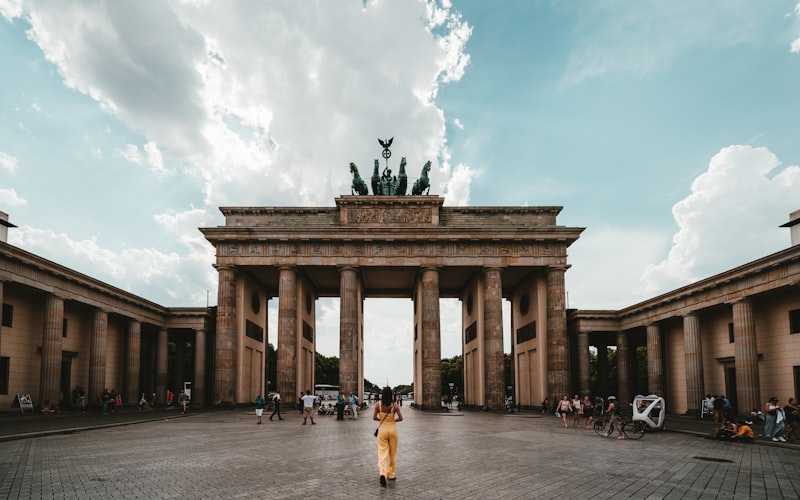

The Key Neighborhoods
Detailed guides for every area
Kurfürstenstraße
2/5RiskyDistrict guide to Kurfürstenstraße in Berlin, with street-level detail on Germany's most well-known urban sex work area.
11 nightlife spots listed
Artemis
4/5SafeGuide to Artemis FKK club and the Charlottenburg adult entertainment area in Berlin, covering pricing, etiquette, and practical information.
11 nightlife spots listed
Oranienburger Strasse
3/5ModerateDistrict guide to Oranienburger Strasse in Berlin's Mitte, covering its history, nightlife scene, safety, and practical tips.
11 nightlife spots listed
District Map of Berlin
Pick a district to recenter the map and see hotels nearby.
Where to stay in Berlin
Compare hotels and rentals across the city's nightlife districts.
See places to stay and current pricesOverview
Berlin is Germany's largest city and its most liberal regarding nightlife and adult entertainment. The city operates under federal German law, which fully legalized and regulated sex work in 2002, but Berlin's local implementation is notably permissive. The city has a long history as a center of alternative culture, and this extends to its approach to adult entertainment.
Local contacts verified current conditions for this guide.
Unlike many European capitals, Berlin's nightlife is decentralized. There is no single "red-light district" comparable to Amsterdam's De Wallen or Hamburg's Reeperbahn. Instead, adult entertainment is dispersed across multiple neighborhoods, each with its own character.
Legal Context
Berlin follows federal German law. Sex work is legal, workers must register with authorities, and establishments require operating licenses. The city designates certain zones where street-based sex work is permitted (Sperrbezirk regulations define where it is not).
Enforcement is professional and focused on licensing compliance, trafficking prevention, and protecting minors. Licensed establishments operate openly and are subject to regular inspection.
Key Areas
Kurfurstenstrasse. The most internationally known area for street-based sex work, located in the Schoneberg/Tiergarten area near the zoo. This is Berlin's most visible adult entertainment area.
Oranienburger Strasse. Historically an area of street-based sex work in Mitte, though gentrification has significantly reduced this activity in recent years.
Various licensed establishments. FKK clubs, laufhauser, and other licensed venues are spread across the city, many in industrial or commercial zones.
Safety
Berlin is one of the safest major European capitals. The city has excellent public infrastructure that operates late into the night:
- The U-Bahn and S-Bahn run 24 hours on weekends
- Taxis are widely available and reliable. Use the "Taxi Berlin" number or ride-hailing apps
- Police are generally professional and helpful
- Emergency services respond quickly
- Kurfurstenstrasse has increased police presence and social worker outreach
Cultural Norms
Berlin's culture prizes individual freedom and privacy. The city's famous "leben und leben lassen" (live and let live) attitude means that adult entertainment is largely destigmatized. However, this does not mean that anything goes:
- Respect workers' boundaries and consent
- Photography is strictly prohibited
- Negotiated terms should be honored
- Discretion is appreciated in residential areas
Social Scene
Kreuzberg is Berlin's alternative heart. Bars line every corner, and the area around Kottbusser Tor is ground zero for late-night drinking and spontaneous conversations with strangers. Cross the canal into Friedrichshain and Simon-Dach-Strasse offers a denser concentration of bars and outdoor seating that fills up every evening from spring through autumn.
Neukolln has grown increasingly popular, especially along Weserstrasse, where a string of low-key bars attracts a diverse international crowd. The neighborhood feels less performative than Kreuzberg and draws people who've been in Berlin long enough to move past the tourist circuit.
Prenzlauer Berg runs at a slower pace. It's good for daytime socializing, brunch spots, and relaxed cafe culture. Mauerpark's Sunday flea market is a massive social event where thousands of Berliners browse stalls, watch karaoke in the amphitheater, and strike up conversations over grilled corn.
Berlin's club culture creates unique social environments, though they're built around music first. Berghain, Tresor, and About Blank are temples of techno, not pickup bars. People come to dance, and the social dynamics reflect that. Trying to chat someone up on the dance floor at Berghain will get you nowhere fast.
During the day, Spati culture keeps things social on the cheap. Grabbing a EUR 1-2 beer from a corner shop and drinking it on the sidewalk is a completely legitimate social activity here. Tiergarten park draws crowds in warmer months, and the cafe scene in Mitte offers a quieter alternative.
Berlin is a major hub for freelancers and startups. Coworking spaces like Factory Berlin, Betahaus, and the St. Oberholz cafe double as networking spots. The expat community is enormous, supported by groups like Berlin Expats, Toytown Germany, and InterNations. Meetup.com lists events for practically every interest. Language exchange events, including Mundo Lingo and Tandem meetups, run weekly and draw a social crowd.
Local Dating Notes
Berlin dating is famously non-traditional. The city attracts free-spirited people from across Europe and beyond, and casual dating is the norm rather than the exception. The scene is LGBTQ+ inclusive and alternative-friendly. Don't expect traditional dating scripts here. A first date might be a walk in Tempelhof, cheap wine at a Spati, or dancing until sunrise. That's just how Berlin works.
Scam Warnings
Berlin has fewer nightlife scams than many tourist-heavy cities. The main risks:
- Unregulated establishments near transport hubs may overcharge
- Some bars near Alexanderplatz and the Hauptbahnhof use aggressive tactics
- Pickpocketing occurs on public transport, particularly the U-Bahn
- Fake "VIP clubs" near tourist areas may be clip joints
Best Times to Visit
Berlin's nightlife operates on a different schedule than most cities. Weekday evenings are quieter; the city truly comes alive from Thursday through Sunday. Many venues and clubs operate continuously from Friday night through Sunday morning.
Summer months (June-August) see the longest operating hours and most activity. Winter months are quieter but venues remain open.
Transportation
- U-Bahn/S-Bahn: 24-hour service on weekends, night buses fill gaps on weeknights
- Taxis: Metered, reliable, widely available
- Ride-hailing: Uber and Bolt operate in Berlin
- Cycling: Berlin is very bike-friendly; many nightlife areas are accessible by bike
What Not to Do
- Do not engage with aggressive touts near Alexanderplatz or the Hauptbahnhof
- Do not photograph workers or establishment interiors
- Do not haggle beyond established pricing
- Do not assume that all neighborhoods are equally safe at 4 AM. Stick to populated areas
- Do not drive. Berlin's public transport is excellent and DUI enforcement is strict
Get the Legal Status PDF, 50 countries
Newsletter signup coming soon. Check back shortly.
Bookable nightlife experiences in Berlin
Curated tours and shows from verified operators. Skip-the-line entry, bilingual guides, and fixed prices booked online.
Kreuzberg Alternative Pub & Bar Experience
Five Kreuzberg bars in three hours with skip-the-line entry at one club. Heavy on the alt-scene.
Berlin Pub Crawl with Free Shots & VIP Club Access
Mainstream pub crawl with cover-free club entry. Good for a first night out in Mitte.
Flights to Berlin
Compare prices across airlines. Filter by stops, time, and cabin.
Airport transfer to Berlin
Pre-booked transfers cost about the same as a metered taxi but cut out the airport queue, the meter argument, and the "no English" routine that takes some drivers to the wrong address. Fixed price quoted before booking, driver tracks your flight, waits with a name sign at arrivals.
Book a KiwiTaxi transferRelated Guides
Kurfürstenstraße
District guide to Kurfürstenstraße in Berlin, with street-level detail on Germany's most well-known urban sex work area.
Read guideArtemis
Guide to Artemis FKK club and the Charlottenburg adult entertainment area in Berlin, covering pricing, etiquette, and practical information.
Read guideOranienburger Strasse
District guide to Oranienburger Strasse in Berlin's Mitte, covering its history, nightlife scene, safety, and practical tips.
Read guideFrequently Asked Questions
Was this guide helpful?