


Before You Travel to Dominican Republic
Five things every smart traveler sorts before booking.
- 1
Passport valid 6+ months from entry date
Most countries refuse entry on passports expiring within six months. Renew now if you're close.
- 2
Visa requirements for Dominican Republic
Some are visa-free, some require an e-visa filed days ahead, some need an embassy appointment.
- 3
Travel insurance booked
A hospital visit in Dominican Republic can run $4,000-15,000 without cover. Credit card insurance usually excludes alcohol-related incidents.
- 4
eSIM data plan ready before landing
Airport SIM kiosks need your passport and overcharge tourists. Install an eSIM in 60 seconds, online before you fly.
- 5
Accommodation reserved in the right district
The wrong neighborhood means a 45-minute taxi every night. Map the venues first, then book.
City Guides in Dominican Republic
Punta Cana
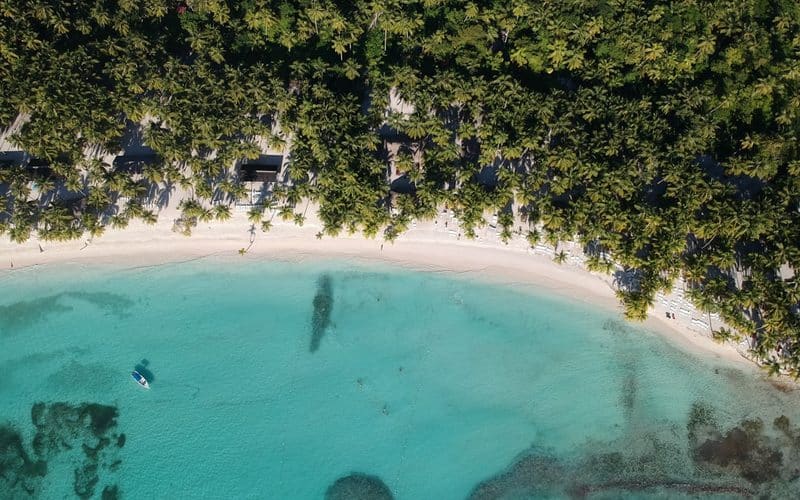
City guide to adult nightlife in Punta Cana, covering Bavaro beach strip, Downtown Punta Cana, safety tips, scam awareness, and cultural context.

Santo Domingo
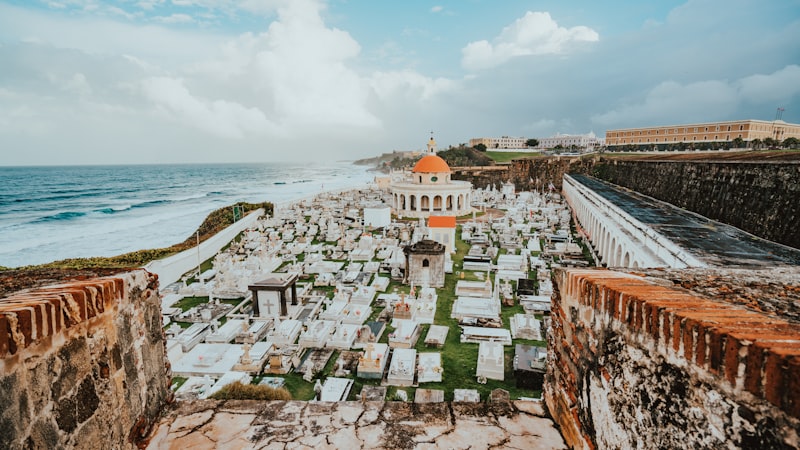
City guide to adult nightlife in Santo Domingo, covering key areas, safety warnings, scam awareness, and cultural context.
Sosua
City guide to adult nightlife in Sosua, covering key areas, safety warnings, scam awareness, and cultural context.
Compare hotels in Dominican Republic
Hotels, hostels, and short-term rentals across the country's main nightlife cities.
Legal Framework
Prostitution is legal in the Dominican Republic for adults over 18. There's no specific law that criminalizes the exchange of sex for money between consenting adults. However, the legal framework around the industry is minimal: there's no registration system, no regulated zones, and no formal health requirements specifically tied to sex work.
Based on on-the-ground reporting from February 2026.
What is illegal is profiting from someone else's prostitution (proxenetismo), trafficking, and any sexual activity involving minors. The Dominican Republic has strengthened its anti-trafficking legislation under Law 137-03, which targets trafficking in persons and smuggling of migrants. Penalties for trafficking and exploitation are significant, including lengthy prison sentences.
The age of consent is 18 for any commercial sexual activity. The Dominican Republic has faced sustained international pressure regarding the sexual exploitation of minors, and law enforcement has become more aggressive in this area. Foreign nationals convicted of exploiting minors face prosecution in the Dominican Republic and may also face charges in their home countries under extraterritorial laws.
Enforcement Reality
Because the act itself is legal, police don't typically interfere with transactions between consenting adults. Enforcement focuses on trafficking, exploitation of minors, and public order issues. Tourist areas operate with a high degree of openness, and nightlife venues that support adult entertainment function without significant police interference.
The tourist police (CESTUR, reachable at 1-200-3500) are a dedicated force that patrols tourist zones. They're generally helpful and speak some English. They're a better first contact than regular police for most situations a foreign visitor might encounter.
Regular police (Policia Nacional) are less predictable. Corruption exists within the force, and some officers may attempt to extract informal payments from foreigners, particularly those who are intoxicated or in compromising situations. Carrying a photocopy of your passport and knowing the tourist police number gives you some protection in these encounters.
The Dominican legal system moves slowly, and conditions in detention facilities are poor. Getting arrested for any reason should be avoided. Consular assistance can help but has significant limitations.
Cultural Context
Dominican culture is warm, social, and deeply influenced by music and dancing. Merengue and bachata aren't just music genres; they're central to social interaction. Nightlife starts late (10 PM or later) and runs until dawn, and dancing is a normal part of socializing for all ages and social classes.
The line between regular nightlife and adult entertainment is blurry in the Dominican Republic. Bars, clubs, and colmados (small neighborhood stores that double as social gathering spots) are places where all kinds of social interactions happen organically. This can make it difficult for visitors to distinguish between genuine social interest and transactional encounters.
The economy of the Dominican Republic, while growing, still has significant poverty. Tourism is the country's largest industry, and the income disparity between foreign visitors and many locals is substantial. This economic reality shapes many of the interactions that visitors experience, and understanding it helps when reading the social dynamics.
Spanish is the primary language. English is spoken in major tourist zones and resorts but is much less common outside these areas. Even basic Spanish goes a long way in improving interactions and avoiding misunderstandings.
Dating Culture
Dominican dating revolves around music, dancing, and personal warmth. Merengue and bachata aren't just entertainment; they're how people connect. A man who can dance, even poorly, signals social effort. A man who refuses to try signals disinterest.
Men are expected to pay for dates and demonstrate generosity. This isn't just about money; it's tied to "tigueraje," a Dominican concept of street-smart charm and resourcefulness that's valued in men. Showing initiative, confidence, and attentiveness matters more than spending extravagantly.
Public displays of affection are normal and expected. Dominican couples are openly physically affectionate, and holding hands, kissing, and close physical contact in public draw no attention. Reserved behavior can actually be read as disinterest.
Family involvement comes early and carries weight. Dominican families are close-knit, and being introduced to someone's family signals that the relationship is serious. Declining an invitation to meet family can be interpreted as a lack of commitment.
Racial and class dynamics influence dating in the Dominican Republic. The country has a complex social stratification system rooted in colonial history, and skin color, economic status, and neighborhood all carry social meaning. Foreigners often sit outside this system, which creates both opportunities and misunderstandings.
Foreign men attract genuine interest, but economic disparity shapes many interactions, especially in tourist zones like Sosua and Boca Chica. The line between attraction and financial motivation isn't always clear, and it's naive to assume one or the other in every case. In cities like Santo Domingo, where the economy is more diverse, interactions tend to be more straightforward.
Common mistakes include not learning any Spanish (English is limited outside resorts), not understanding the economic context behind many relationships, confusing entertainment workers with genuine dates, and ignoring basic safety precautions. Learning even basic conversational Spanish transforms the dating experience and signals respect.
Dating Apps
Tinder is the most popular dating app in Dominican cities, particularly Santo Domingo and Santiago. Badoo has a wider reach across smaller towns and rural areas. Dominican Cupid caters specifically to foreigners seeking Dominican partners and is transparent about that dynamic. Bumble has limited adoption.
Most profiles outside resort areas are written in Spanish. If you don't speak Spanish, your matches will be limited to a narrow slice of the population, primarily those in tourism or those specifically seeking foreign partners. A Spanish-language profile dramatically increases responses.
Many Dominican women on these apps genuinely seek relationships and connections. Dismissing everyone as a scammer or a sex worker is both inaccurate and disrespectful. That said, romance scams are common. Typical patterns include requests for money to help with visa applications, stories about sick family members needing medical care, and catfishing with photos that don't match reality. Some profiles connect to entertainment establishments rather than individuals.
The boundary between genuine dating and transactional relationships blurs heavily in tourist areas. Proceed with awareness and realistic expectations. Video calls before meeting in person help verify identity and establish rapport.
Key Cities
Santo Domingo is the capital and largest city, with a diverse nightlife scene spread across multiple neighborhoods. The Zona Colonial (Colonial Zone) is the historic center and a popular nightlife area for both locals and tourists. The Malecon (seaside boulevard) and the Gazcue area also have concentrations of bars and entertainment venues. Santo Domingo's scene is more authentically Dominican than the resort towns.
Sosua on the north coast has been one of the most well-known adult entertainment destinations in the Caribbean for decades. The town's main street (Pedro Clisante) and the surrounding area have a high concentration of bars and entertainment venues catering primarily to foreign visitors. The scene is very open and concentrated within a small area. Recent government crackdowns have attempted to clean up Sosua's reputation, resulting in periodic enforcement actions.
Boca Chica is a beach town about 30 kilometers east of Santo Domingo. It has a significant nightlife scene along its main beach road, particularly on weekends when visitors from the capital add to the crowd. The scene here is a mix of Dominican weekend culture and tourist-oriented entertainment.
Safety Considerations
The Dominican Republic requires moderate caution, typical for Caribbean destinations:
- Use Uber or hotel-arranged transportation at night rather than hailing taxis on the street, as unregistered taxis carry higher risk
- Avoid isolated beaches and poorly lit streets after dark
- Keep valuables in a hotel safe and carry only what you need for the evening
- Be cautious with alcohol consumption. The tropical heat increases its effects, and local rum drinks are often stronger than they taste
- Motorcycle taxis (motoconchos) are cheap but dangerous. Avoid them, especially at night or after drinking
- Power outages are common and can affect security in some areas, so carry a small flashlight
- Hurricane season runs from June through November. Monitor weather advisories if traveling during this period
- Save tourist police (1-200-3500) and your embassy number in your phone
- Travel insurance with medical coverage is recommended, as private hospitals require upfront payment
Common Scams
Drink spiking and robbery: Criminals may drug drinks to incapacitate victims for robbery. This can happen in bars, clubs, or private settings. Never accept drinks from strangers, never leave your drink unattended, and be wary if you feel disproportionately intoxicated relative to what you've consumed. Go to a hospital immediately if you suspect you've been drugged.
The staged relationship: An individual establishes what seems like a genuine romantic connection, then begins making financial requests: rent, family emergencies, medical bills. These requests escalate over time and may continue long after you've left the country. Be skeptical of rapid emotional intensity.
Overcharging in venues: Some bars and clubs inflate bills or add charges for services you didn't request. Confirm prices before ordering, and review your bill carefully.
Motorcycle rental scams: Similar to other destinations, rental operators may claim damage they didn't cause or demand inflated repair costs. Document the condition of any rental before taking it.
Fake tour operators: Individuals selling tours or excursions on the street may take your money and disappear, or deliver a substandard experience. Book through your hotel or established operators.
The "police" shakedown: Individuals impersonating police may demand to see your documents and then request payment to avoid a fabricated violation. Real officers carry ID, and you can ask to resolve any issue at the nearest police station.
What Not to Do
- Do not ride motoconchos (motorcycle taxis) at night. They're the most dangerous form of transportation and are involved in many tourist injuries
- Do not display large amounts of cash or expensive jewelry
- Do not walk on beaches alone at night, even near your resort
- Do not engage with anyone who appears to be underage. Enforcement has intensified and penalties are severe
- Do not carry your actual passport. Keep it in a hotel safe and carry a photocopy
- Do not get involved in any drug transactions. Dominican drug laws carry heavy sentences, and the prison system is harsh
- Do not resist if you're robbed. Comply and report to the tourist police afterward
- Do not assume that because the country is a popular tourist destination, all areas are equally safe. Stick to known zones at night
Sources
- U.S. Department of State: Dominican Republic Travel Advisory - Entry requirements, safety alerts, and local law summary
- UK Foreign, Commonwealth & Development Office: Dominican Republic Travel Advice - Safety, health, and legal information for travelers
- Australian Government Smartraveller: Dominican Republic - Travel advisory and practical information
Get the Legal Status PDF, 50 countries
Newsletter signup coming soon. Check back shortly.
Dominican Republic Map
Emergency Information: Dominican Republic
- Emergency:
- 911
- Tourist Police:
- 1-200-3500
- Embassy Note:
- Most embassies are in Santo Domingo. Some countries maintain consular services in tourist areas like Punta Cana and Puerto Plata.
Other Options in the Area
Antigua and Barbuda
A guide to nightlife in Antigua and Barbuda, covering St. John's bar scene, English Harbour venues, local laws, costs, safety, and cultural norms on this twin-island Caribbean nation.
Aruba
Aruba's nightlife centers on the resort strip along Palm Beach, with hotel bars, casinos, and a handful of clubs. Prostitution is illegal, the scene is small, and safety requires basic awareness. A guide to going out on the island.
Bahamas
The Bahamas nightlife revolves around Nassau and Paradise Island, where casino resorts, beach clubs, and downtown bars create a scene that ranges from high-end to local. Cable Beach and Bay Street offer distinct experiences at Caribbean-high prices.
Barbados
Barbados nightlife centers on the south coast's Saint Lawrence Gap, a short strip of bars and clubs catering to tourists and locals alike. Expect high prices, a safe atmosphere by Caribbean standards, and a small but consistent scene shaped by rum culture and soca music.
Similar Countries in Other Regions
Countries with a similar overall score to Dominican Republic (3.8) but in different parts of the world.
Albania
3.8Southern Europe
Albania's nightlife is small but growing fast, centered on Tirana's Blloku district where the former communist elite's residential quarter has become a strip of cocktail bars and clubs. Extremely cheap and largely undiscovered by mass tourism.
Bosnia and Herzegovina
3.8Southern Europe
Sarajevo's Ottoman-era old town hides a growing bar scene where craft cocktails cost less than a coffee in Vienna. Low prices, warm hospitality, and a post-war cultural renaissance make Bosnia a Balkan sleeper.
Kosovo
3.8Southern Europe
Pristina's youthful energy and cafe culture make Kosovo's capital a surprisingly engaging nightlife destination. The scene is small and cheap, driven by one of Europe's youngest populations and a post-war optimism that's hard to fake.
Was this guide helpful?