


Before You Travel to Cambodia
Five things every smart traveler sorts before booking.
- 1
Passport valid 6+ months from entry date
Most countries refuse entry on passports expiring within six months. Renew now if you're close.
- 2
Visa requirements for Cambodia
Some are visa-free, some require an e-visa filed days ahead, some need an embassy appointment.
- 3
Travel insurance booked
A hospital visit in Cambodia can run $4,000-15,000 without cover. Credit card insurance usually excludes alcohol-related incidents.
- 4
eSIM data plan ready before landing
Airport SIM kiosks need your passport and overcharge tourists. Install an eSIM in 60 seconds, online before you fly.
- 5
Accommodation reserved in the right district
The wrong neighborhood means a 45-minute taxi every night. Map the venues first, then book.
City Guides in Cambodia
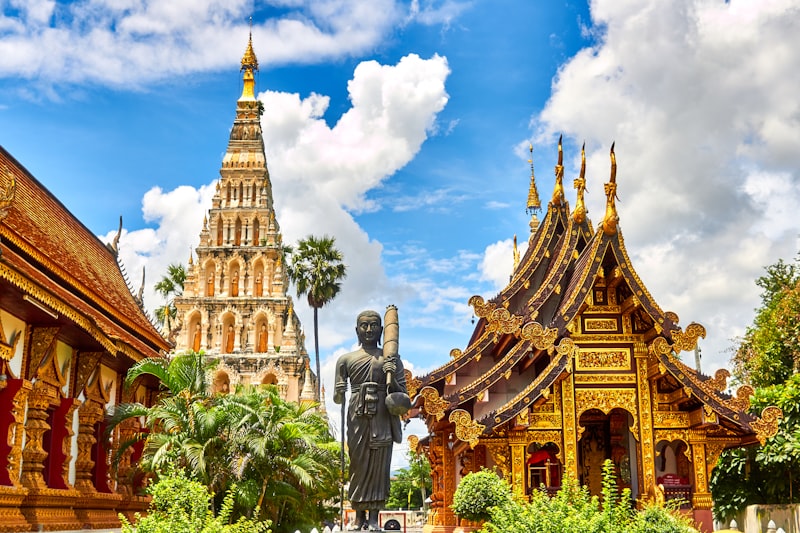
Phnom Penh
City guide to adult nightlife in Phnom Penh, covering key areas, safety warnings, scam awareness, and cultural context.
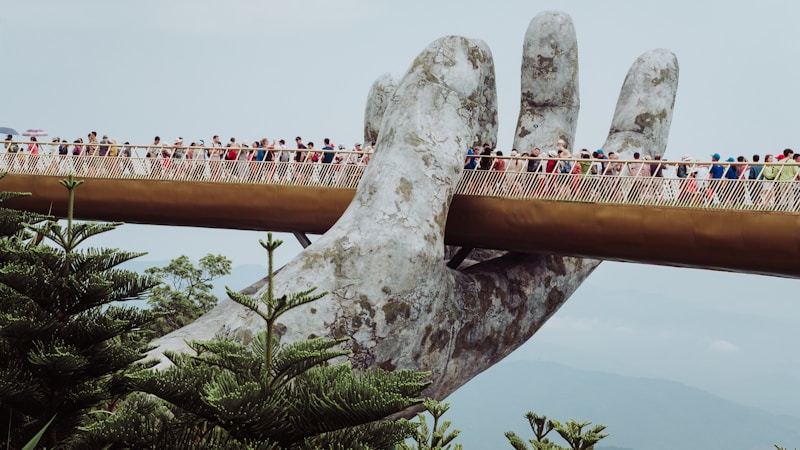
Siem Reap
City guide to nightlife in Siem Reap, covering the temple town's entertainment scene, safety, and practical advice.
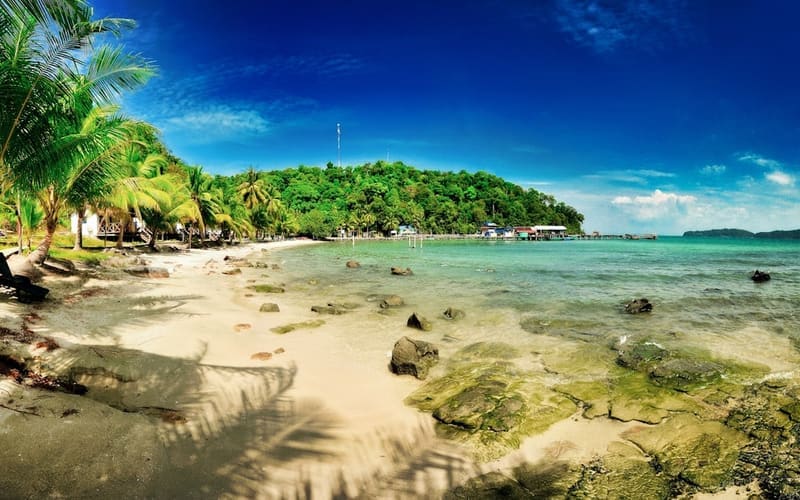
Sihanoukville
Sihanoukville city guide. Post-casino reality, surviving bars at Serendipity, Otres, and Victory Hill, safety advice, and honest costs.
Compare hotels in Cambodia
Hotels, hostels, and short-term rentals across the country's main nightlife cities.
Legal Framework
Prostitution is illegal in Cambodia under the Law on Suppression of Human Trafficking and Sexual Exploitation, enacted in 2008. The law criminalizes purchasing sex, solicitation, operating brothels, and pimping. Penalties range from fines to imprisonment, and the law applies equally to Cambodian citizens and foreign nationals.
Based on on-the-ground reporting from February 2026.
Before 2008, the legal situation was more ambiguous. The older Untac-era regulations were vague, and the industry operated with relatively little legal interference. The 2008 law represented a significant shift in the legal framework, driven in part by international pressure to combat trafficking and exploitation.
In reality, the gap between the law and its application is wide. A large entertainment industry continues to operate through KTVs (karaoke parlors), massage parlors, beer gardens, and hostess bars. These establishments are licensed as entertainment or hospitality businesses and function within a gray area that the law doesn't effectively reach.
Cambodia also has some of the strongest international attention on child exploitation in Southeast Asia. Multiple international organizations operate in the country specifically to combat this issue, and foreign nationals who exploit minors face prosecution both in Cambodia and in their home countries through extraterritorial jurisdiction.
Enforcement Reality
The 2008 law changed the surface appearance of the industry but didn't eliminate it. Street-based solicitation decreased in visibility, and some of the most obvious brothel areas were shut down. But the industry largely moved indoors, into KTVs, massage establishments, and other venues that operate behind a thin veneer of legitimacy.
Police enforcement is heavily influenced by corruption. Many establishments pay regular informal fees to local police and officials in exchange for being left alone. Raids do happen, but they tend to target venues that have fallen out of favor politically or failed to keep up payments rather than reflecting a systematic approach to enforcement.
For foreign visitors, the main enforcement risk comes from being caught up in a raid or from police who see an opportunity for an informal fine. Carrying identification and behaving respectfully goes a long way in these situations. The tourist police can be contacted at 012-942-484 and are generally more helpful to foreigners than regular police.
Cambodian courts move slowly and unpredictably. Getting caught up in the legal system is something to avoid at all costs, as the process can be lengthy and the outcomes uncertain.
Cultural Context
Cambodia's relationship with its adult entertainment industry is shaped by decades of upheaval. The Khmer Rouge era (1975-1979) devastated the country's social fabric, and the subsequent decades of reconstruction brought an influx of international organizations, peacekeeping forces, and foreign investment that all contributed to the growth of an entertainment industry catering to foreigners.
Cambodian society is conservative in many respects, influenced by Theravada Buddhism and traditional values. Public displays of affection are uncommon among Cambodians, and the entertainment industry exists in a space that's understood but not openly discussed. The concept of saving face is important, and discretion is expected.
The economic dimension can't be ignored. Cambodia remains one of Southeast Asia's poorest countries, and the income gap between foreign visitors and locals is stark. A significant portion of the entertainment industry is driven by economic necessity rather than choice, which is something visitors should keep in mind.
English proficiency varies widely. In Phnom Penh's tourist areas and Siem Reap, basic English is common. Outside these zones, communication can be challenging without some knowledge of Khmer or a translation app.
Dating Culture
Cambodian dating norms are traditional and conservative, shaped deeply by Theravada Buddhism. Men are expected to initiate everything and pay for all expenses. Courtship in traditional families involves visiting the woman's family home, and family approval isn't just a nicety; it's often a prerequisite for the relationship to continue. Parents have significant influence over who their children date, especially their daughters.
Public displays of affection are culturally inappropriate. Even hand-holding draws stares in smaller cities, and kissing in public is considered disrespectful. Premarital relationships exist but aren't openly discussed. A woman's reputation carries enormous social weight in Khmer culture, and being seen with a foreign man in certain contexts can damage that reputation permanently.
Foreign men are generally seen as wealthy, which creates a complex dynamic. There's often genuine interest, but transactional expectations also come into play. Age gaps between foreign men and Cambodian women are common and socially recognized, though not always positively. Khmer women from traditional families may refuse to date foreigners entirely due to family pressure, regardless of personal feelings.
Common mistakes foreigners make include not understanding the importance of "face" in Cambodian culture. Being physically affectionate in public embarrasses your partner. Failing to show proper respect to elders, especially her parents, is a serious misstep. Moving too fast physically or emotionally signals a lack of seriousness. If you're genuinely interested in someone, patience and formality go much further than casual Western-style dating approaches.
Dating Apps
Tinder is the most used dating app in Phnom Penh and Siem Reap, though the user base is small compared to neighboring Thailand. Badoo has a following among Cambodians, and ThaiFriendly covers Cambodia to some extent, though its focus is Thailand. Outside the two main cities, app usage drops sharply. Internet access in rural areas remains inconsistent.
Many profiles are genuine, but some belong to bar workers or freelancers using the apps to find customers. The line between personal interest and business can be blurry, and it's worth clarifying intentions early. Language is a real barrier. Educated urban Cambodians often speak English well, but many profiles are written entirely in Khmer, and conversation can stall quickly without a shared language.
Common scams include requests for money before any in-person meeting, often framed as emergencies or family problems. Fake profiles linked to entertainment venues are another issue; they're designed to lure you to a specific bar or KTV. A video call before meeting in person is a simple way to verify that the person matches their profile and has genuine intentions.
Key Cities
Phnom Penh is the capital and the center of the country's nightlife. The Riverside area, Street 136, and Street 104 have historically been the main entertainment zones, though the scene has shifted and spread over the years. Phnom Penh's nightlife is diverse, ranging from upscale cocktail bars to budget hostess bars. The BKK1 (Boeung Keng Kang) neighborhood has also become a popular area for nightlife.
Siem Reap is primarily known as the gateway to Angkor Wat, but it has developed its own entertainment scene. Pub Street and the surrounding area are the main nightlife zones. The scene here is smaller and more tourist-oriented than Phnom Penh, with a mix of regular bars, hostess bars, and KTVs. Siem Reap's nightlife tends to wind down earlier than the capital's.
Safety Considerations
Cambodia requires significant caution, particularly for visitors unfamiliar with the region:
- Petty crime, including bag snatching from passing motorbikes, is common. Carry bags on your inside shoulder or use a crossbody bag
- Use PassApp or Grab for transportation rather than negotiating with tuk-tuk drivers at night
- Road safety is poor; traffic accidents are one of the biggest risks to visitors, particularly if renting motorbikes
- Medical facilities are limited outside Phnom Penh, and serious injuries or illnesses may require evacuation to Bangkok
- Travel insurance with medical evacuation coverage is critical, not optional
- Don't drink tap water and be cautious with ice in budget establishments
- Keep photocopies of your passport and visa, as police may ask to see identification
- Avoid walking alone in poorly lit areas at night, especially along the riverside in Phnom Penh
Common Scams
Drug setups: Individuals, sometimes including venue staff, may offer drugs to foreign visitors and then alert police, who arrive to collect a substantial "fine." This is a coordinated scam. Do not accept drugs from anyone, regardless of how casual the offer seems. Drug laws in Cambodia carry severe penalties, and being caught puts you entirely at the mercy of the local system.
Motorbike rental damage scams: Rental operators may claim pre-existing damage was caused by you. Photograph any rental vehicle thoroughly before taking it, and consider leaving a deposit rather than your passport.
Overcharging and bait-and-switch pricing: Some establishments quote low prices initially and then present much higher bills. This is particularly common in KTVs. Confirm all prices in writing before committing.
The friendly local with a sick relative: Someone strikes up a conversation and eventually steers it toward a request for financial help, usually for a family medical emergency. While genuine need exists everywhere, be cautious about giving money to people you've just met.
Counterfeit currency: Check bills carefully when receiving change, especially larger denominations of US dollars (which circulate widely alongside Cambodian riel). Torn or heavily worn US bills may not be accepted.
What Not to Do
- Do not carry or use illegal drugs. Penalties are harsh and the legal system offers little protection for foreigners
- Do not engage with anyone who appears to be underage. Cambodia has intense international scrutiny on this issue and penalties are severe
- Do not leave your passport as collateral for rentals. Use a photocopy or cash deposit
- Do not argue loudly or create public scenes. This is culturally offensive and can escalate situations quickly
- Do not disrespect Buddhist monks, temples, or religious symbols
- Do not walk alone in isolated areas after dark, particularly outside main tourist zones
- Do not assume that because things are inexpensive, the risks are also low. Cheap doesn't mean safe
- Do not rely on the legal system to protect you. Avoiding problems is far better than trying to resolve them
Sources
- U.S. Department of State: Cambodia Travel Advisory - Entry requirements, safety alerts, and local law summary
- UK Foreign, Commonwealth & Development Office: Cambodia Travel Advice - Safety, health, and legal information for travelers
- Australian Government Smartraveller: Cambodia - Travel advisory and practical information
Get the Legal Status PDF, 50 countries
Newsletter signup coming soon. Check back shortly.
Cambodia Map
Emergency Information: Cambodia
- Emergency:
- 117
- Tourist Police:
- 012-942-484
- Embassy Note:
- Most embassies are in Phnom Penh. Consular services in Siem Reap are limited.
More in This Region
Brunei
A guide to nightlife in Brunei, one of the world's strictest countries for alcohol and entertainment. Sharia law governs daily life, and the nightlife scene is limited to cafes, food courts, and night markets.
Indonesia
Bali's Kuta strip, Jakarta's Blok M, and Batam's short-hop scene from Singapore. Officially illegal but widely tolerated, with prices among the lowest in Southeast Asia.
Laos
Vientiane's low-key riverfront bars and Luang Prabang's quiet tourist scene make Laos one of Southeast Asia's least developed nightlife markets. Cheap, conservative, and slow-paced.
Malaysia
Malaysia's nightlife scene runs through Kuala Lumpur's Bukit Bintang district, where bars and clubs operate alongside strict Islamic laws that apply to Muslim citizens but not foreign visitors.
Similar Countries in Other Regions
Countries with a similar overall score to Cambodia (3.9) but in different parts of the world.
Armenia
3.9Caucasus
A small Caucasus nation where conservative Christian traditions mix with Yerevan's growing wine bar scene and low-cost nightlife that draws regional visitors from across the former Soviet Union.
Russia
3.9Eastern Europe
Moscow's elite nightclubs, Saint Petersburg's bar streets, and a widespread but technically illegal adult entertainment scene across Russia's two main cities.
Albania
3.8Southern Europe
Albania's nightlife is small but growing fast, centered on Tirana's Blloku district where the former communist elite's residential quarter has become a strip of cocktail bars and clubs. Extremely cheap and largely undiscovered by mass tourism.
Was this guide helpful?